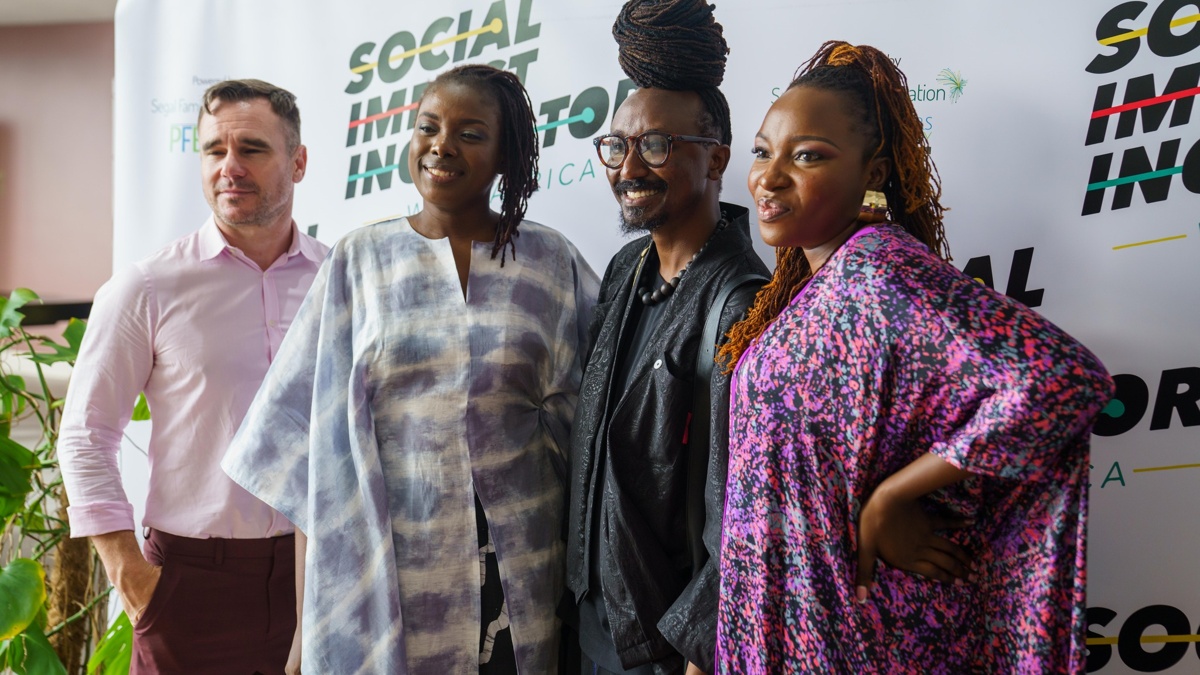
In Francophone West Africa, social impact initiatives are not lacking in ideas or ambition. Organizations led by committed leaders work every day to address major challenges: inclusive education, social justice, women’s empowerment, climate action, and community health. Yet despite the relevance and urgency of their work, many struggle to cross a decisive threshold: achieving impact readiness, a critical condition for sustainably accessing funding, strategic partnerships, and scaling opportunities.
It is in response to this structural challenge that the Social Impact Incubator (SII) West Africa was created. The program is supported by the Segal Family Foundation (SFF), coordinated by Non Profit Builder (NPB), and implemented in partnership with Alternative Leadership Group (ALG) through the Académie de l’Influence. The incubator is designed not as a simple sequence of training, but as a transformational organizational journey deeply rooted in local realities and aligned with international impact standards.
A Clear Diagnosis: A Dynamic Yet Fragile Ecosystem
The social innovation ecosystem in Francophone West Africa is vibrant and rapidly evolving. However, many organizations continue to face recurring challenges: weak internal systems, informal governance structures, limited fundraising capacity, insufficient monitoring, evaluation, and learning (MEL) frameworks, and underdeveloped institutional communication strategies.
These gaps do not undermine the relevance of their missions, but they do limit their ability to convince technical and financial partners particularly international funders. Too often, organizations are assessed based on potential rather than their actual readiness to absorb and manage investment effectively.
SII West Africa was born from this realization: before investing further in projects, we must invest in organizations.
A Methodology Rooted in Real Organizational Needs
From the outset, the Social Impact Incubator was designed around a rigorous and progressive methodology. In July 2025, a baseline assessment was conducted to measure the initial status of each of the 33 participating organizations across Senegal, Benin, and Togo. The assessment covered key dimensions including governance, strategy, financial management, communication, Monitoring, Evaluation and Learning (MEL), and safeguarding policies.
This foundational step enabled the program to move beyond standardized approaches and offer tailored support adapted to the specific needs of each organization. Based on these findings, a seven-month journey was structured around seven core training modules, complemented by individualized coaching:
Strategy and Theory of Change
Impact Planning
Resource Mobilization and Fundraising
Financial Management
Monitoring, Evaluation, and Learning (MEL)
Safeguarding and Protection
Marketing and Communication
Each module is delivered by experienced African trainers and coaches, selected not only for their technical expertise but also for their ability to translate complex concepts into practical tools suited to local contexts.
The Strategic Role of Alternative Leadership Group: Contextualizing to Transform
Within this ecosystem, the Académie de l’Influence plays a central role. As an implementing partner alongside Non Profit Builder, it brings recognized expertise in leadership development, organizational strengthening, and adult learning methodologies.
The coordination of SII training activities in Francophone West Africa is led by André Kangni Afanou, who ensures overall program coherence, quality assurance, and alignment between SII’s strategic ambitions and the realities faced by participating organizations.
Working alongside him, Akouavi Tannous, Sanounou Djibril Ouro-Sama, and Sylvia Tchopou Djeri actively contribute to designing accompaniment plans, providing technical follow-up to organizations, and supporting reporting to Non Profit Builder and the Segal Family Foundation. Together, they embody a deeply human-centered approach, where organizations are not treated as beneficiaries, but as co-creators of solutions.

Visible Transformations at Midpoint
At the program’s midpoint, tangible and significant transformations are already visible within participating organizations. For many, the Social Impact Incubator marks a structural turning point in their development trajectory.
As Yaye Hélène, founder of Kitambaa in Senegal, explains:
“The SII facilitates access to donors and financial partners, strengthening the credibility of our project and opening new funding opportunities.”
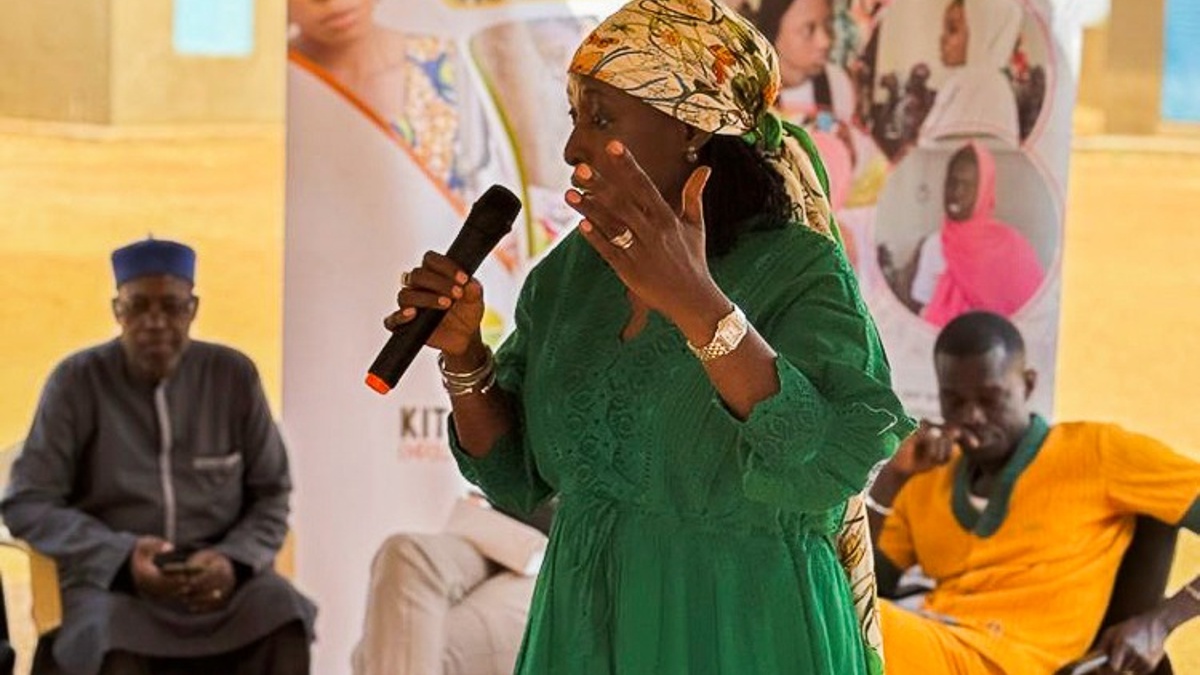
Focused on combating menstrual poverty, Kitambaa has clarified its financial strategy, strengthened its institutional communication, and structured its impact model enhancing its visibility and credibility with both national and international partners.
In Benin, the impact has been equally significant. L’École Le Petit Poucet, a school specializing in inclusive education, exemplifies the transformative power of the program. Claire Hazoumè, the school’s director, shares:
“The SII provided structured and tailored support that allowed me to gain clarity by formalizing my vision, mission, and a ten-year strategic projection; rigor, through impact planning that structured my priorities and actions in a clear operational logic; and confidence, as pitch sessions transformed an exercise I once feared into a tool I now master, thanks to practical methods and a supportive environment.”
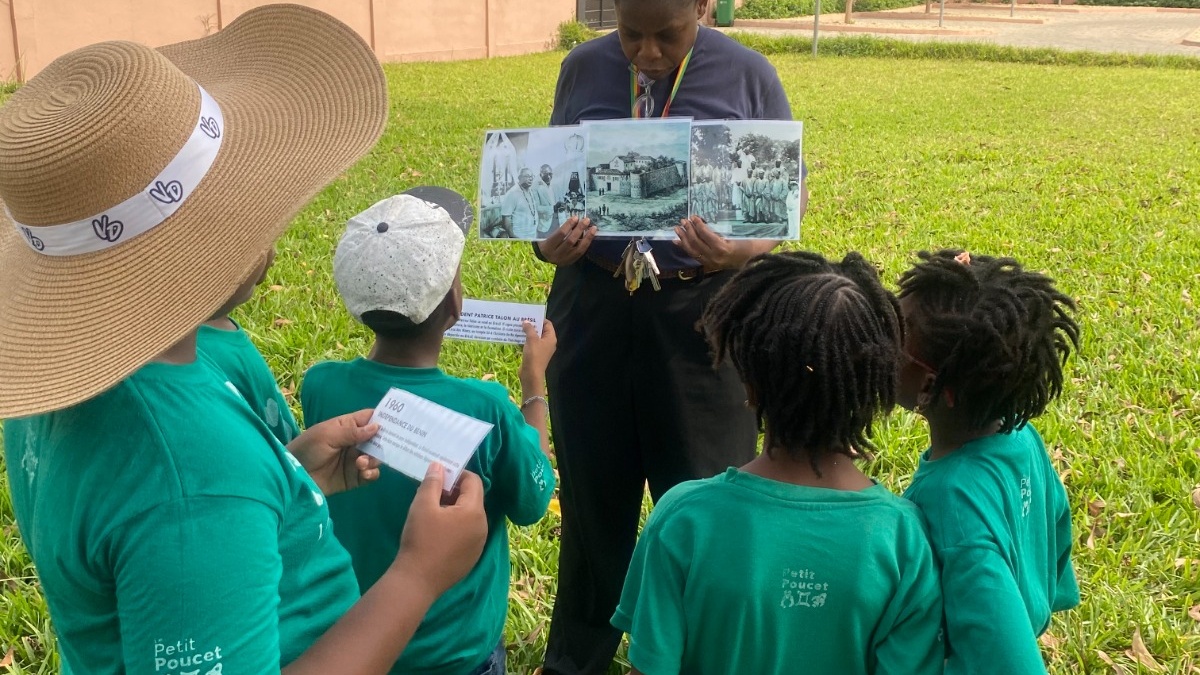
As a result, the school has strengthened its governance and formalized its MEL tools, now equipped with clear indicators to demonstrate impact among vulnerable children.
In Togo, Level Up Togo / Speech Spark has enhanced its strategic planning and resource mobilization capacity while gaining confidence in presenting its project. Komlan Braly, the organization’s lead, states:
“Today, thanks to the SII, I lead a more professional and resilient organization. I have transitioned from founder-teacher to strategic executive director, capable of pitching Speech Spark to international investors, ministries, and technical partners.”
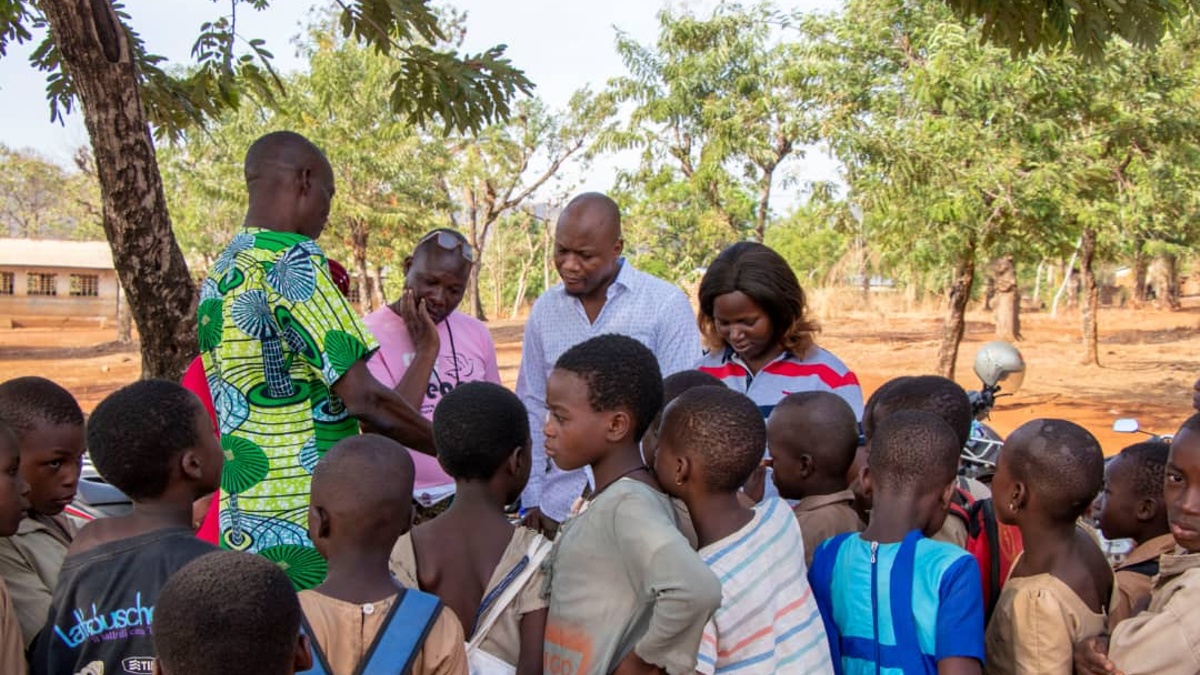
These examples among many others illustrate the core ambition of the Social Impact Incubator: transforming strong ideas into solid, credible, investment-ready organizations capable of generating sustainable impact in their communities.
Impact Readiness as a Bridge to Funding
A key milestone of the program was the organization of pitch sessions with international investors and foundations. Following intensive coaching sessions, organizations presented their projects in English, supported by professional English–French interpretation.
Out of the 33 participating organizations, 16 have already been selected to receive additional funding, with initial disbursements completed.
These results reinforce a strong conviction: impact readiness is a decisive factor in securing investment.
An Inspiring Model for Funders and the Ecosystem
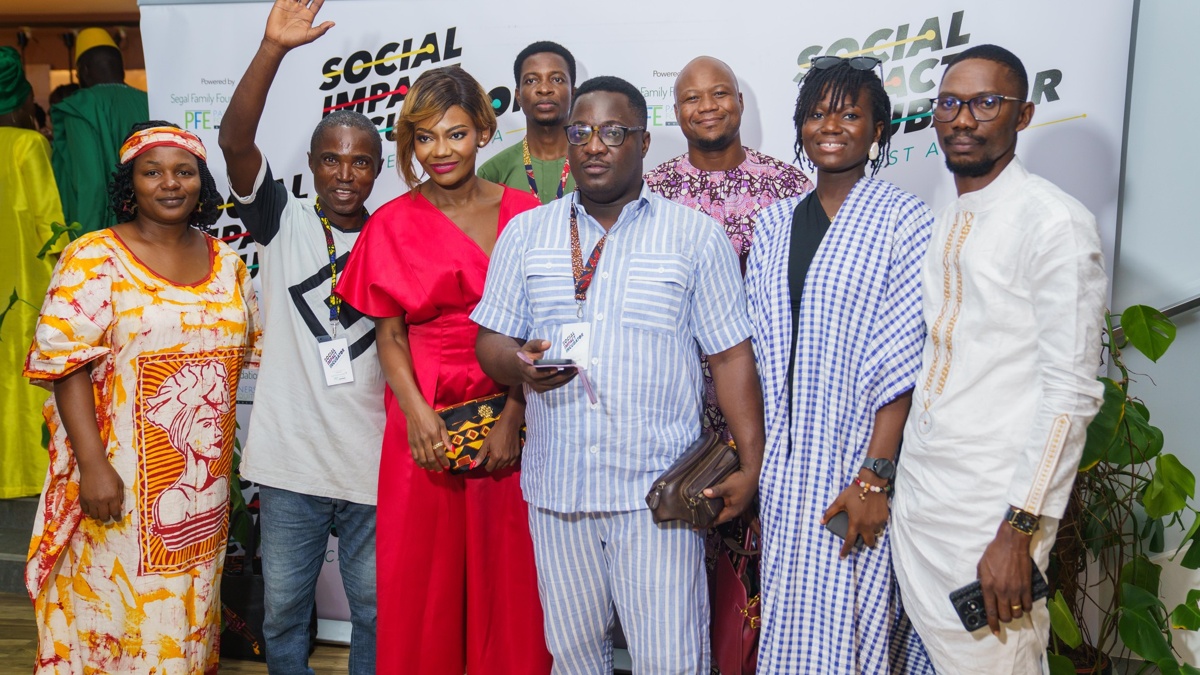
Designed from the outset to be accessible to non-French-speaking donors, the Social Impact Incubator West Africa has strengthened the transparency, visibility, and international credibility of participating organizations.
As the program approaches its conclusion in April 2026, a final evaluation will comprehensively measure the transformations generated organizationally, strategically, and operationally.
Beyond the tools provided and the funding mobilized, SII West Africa demonstrates that it is possible to design and operate a high-level incubator in Francophone West Africa, grounded in strong partnerships, recognized local expertise, and a deeply human-centered approach.
Today, this experience stands as an inspiring reference model upon which other foundations, funders, and support structures can build to develop effective, sustainable, and truly transformative programs in service of the organizations they support.