Nonprofit Builder Blog

From Design Fundamentals to Branded Content: NPB's Visual Identity Training
Muqaddus KundiMuqaddus Kundi

From Design Fundamentals to Branded Content: NPB's Visual Identity Training

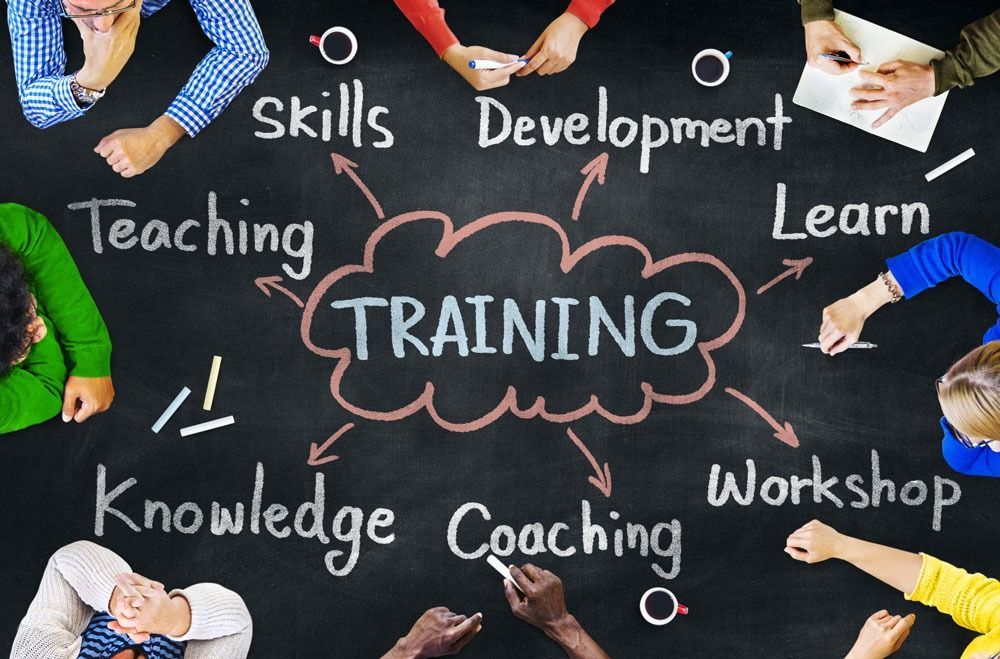
Our team is building hands-on visual design capacity through a new training led by Daniel Rugwiza of Kubara , covering design fundamentals with principles applied to NPB's visual identity. Daniel established NPB's brand kit in Canva and taught techniques for converting any design template into NPB's identity, alongside graphic design and video editing workflows focusing the conveying a clear message while maintaining brand consistency What the Training Covers 1. Fundamentals of Graphic Design Principles Applied to NPB's Visual Identity Grounding the team in core design principles — layout, color, typography, hierarchy — and how they translate specifically into NPB's brand. 2. Advanced Techniques for Creating Social Media Graphics Using NPB-Branded Templates Practical, applied skills for producing polished, on-brand social content efficiently using our existing template library. 3. Video Editing Workflows Within Canva A focused walkthrough of trimming, transitions, and text overlays, equipping the team to produce dynamic video content without needing a dedicated design specialist for every piece. 4. Best Practices for Maintaining Brand Consistency in All Visual Assets Tying it together with practical guidance for keeping our visual identity unified across every asset the team creates, from social posts to training materials. Looking Ahead This training reflects something core to how NPB approaches capacity building — not just for the organizations we support, but for our own team as well. Investing in these skills means our team can tell NPB's story — and the stories of the partners and communities we work with — more clearly, consistently, and persuasively. We're grateful to have Daniel's expertise guiding this work, and we're looking forward to seeing how it shapes the way NPB shows up visually in the months ahead.

17 Sep, 2026 14:12 Read more
Safeguarding Nuggets: The Small Beats That Matter
Agatha MumoAgatha Mumo

Safeguarding Nuggets: The Small Beats That Matter

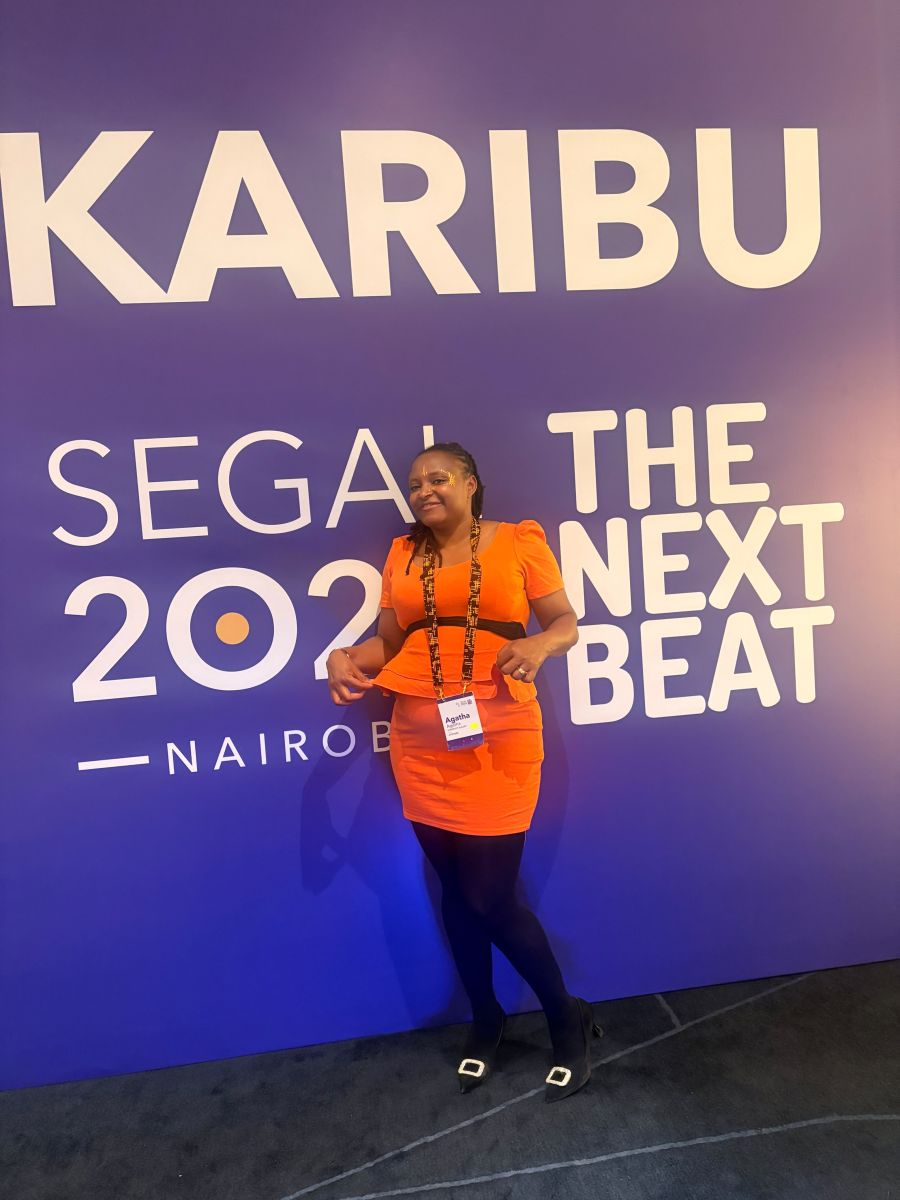
A tale from "The Next Beat" Segal event, Nairobi, Kenya. Sometimes safeguarding isn’t a big policy document. Sometimes it’s the small beats. At "The Next Beat" hosted by Segal Family Foundation in Nairobi, I watched those small beats turn into real care. 1. Space to breathe From a quiet corner to relax, all the way to a full sensory room for mental breaks. In a world where neuro-diversity is still a struggle for many, here inclusion wasn’t a talking point. Hyperfocus minutes, zoning out, needing a pause, all of it was planned for and protected. 2. Thoughtfulness in the details Where we spent the nights. The food on the table that honored diverse dietary needs. Even a "meat lover" got a special shoutout and it had us all laughing. Wao. That’s what it feels like when someone actually sees you. 3. From paper to practice Frameworks left the page. During field visits it wasn’t the usual visitor excitement and pomp. It was a clear risk management and mitigation plan, executed calmly and respectfully. 4. Consent and dignity, everywhere Consent was requested for almost everything. And those huge name tags? You could spell your name just by touching them. Accessibility baked right in. Thank you, Segal Family Foundation , for reminding us that safeguarding lives in the tiny nitty grities that are mostly ignored. It’s in the corner to sit. The room to reset. The meal that fits. The question asked before anything happens.Inclusion is built beat by beat. And Nairobi showed us what that sounds like.

25 Aug, 2026 14:19 Read more
A Day With Our Consultants: Inside NPB's First Consultant Connect of 2026
Agatha MumoAgatha Mumo

A Day With Our Consultants: Inside NPB's First Consultant Connect of 2026

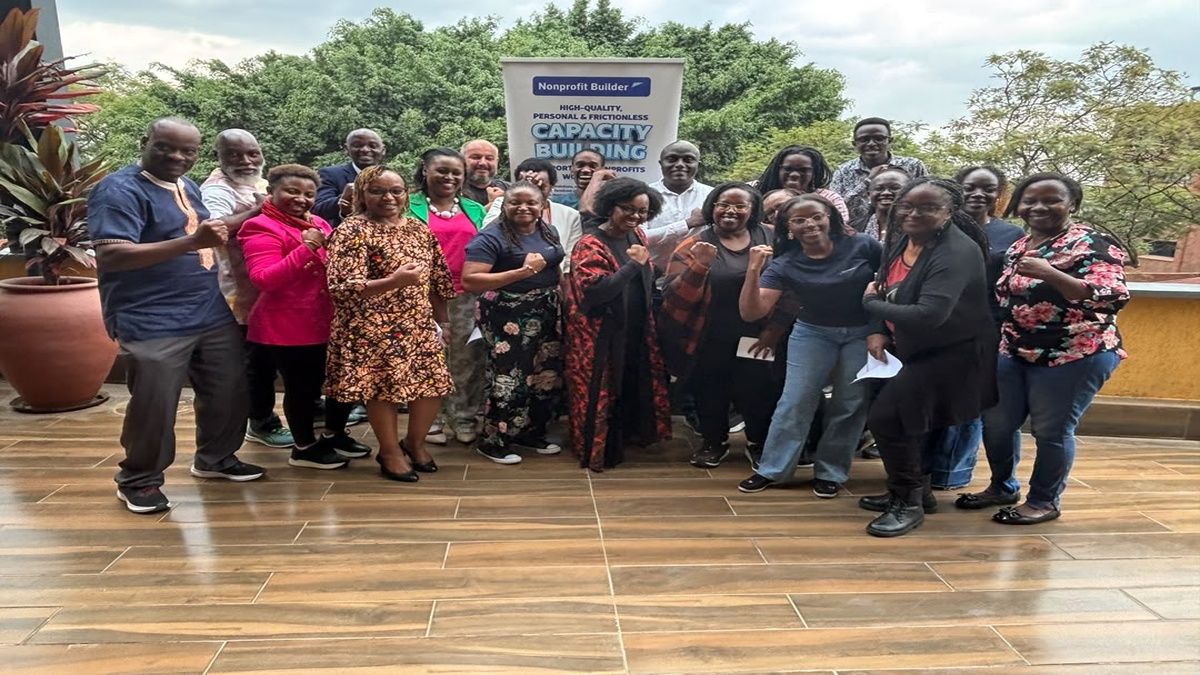
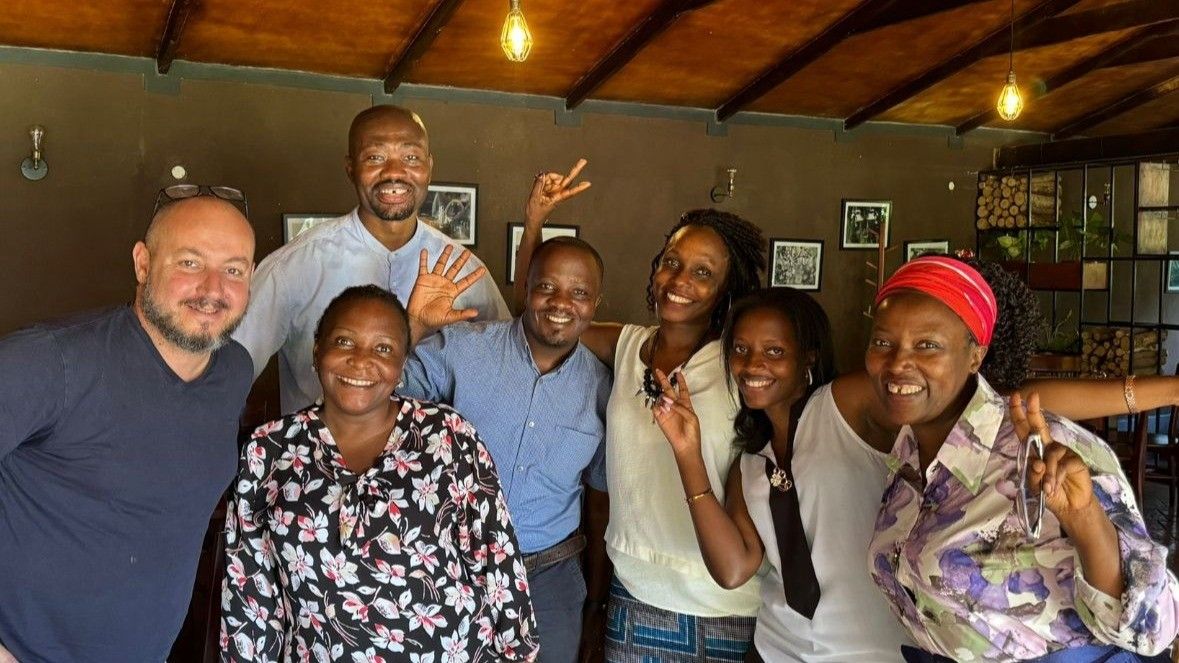
Some days remind you why community matters more than any strategy deck ever could. Friday, 24 July was one of those days. Consultants from across Kenya and the wider East African region made their way to Nairobi for our first Consultant Connect Day of the year; a chance to step out of inboxes and Zoom calls and actually be in a room together. We've hosted gatherings like this before, but it had been a while, and honestly, none of us expected it to land quite the way it did. Morning Tea and Old Friends The day started the way the best ones do: with tea, hugs, and the easy chatter of people who normally only know each other through email threads finally catching up in person. Natasha kicked things off properly, sharing what Nonprofit Builder has been up to and where we are headed. This was followed by introductions that turned out to be far more moving than a simple icebreaker has any right to be. Hearing people describe, in their own words, who they are and the work they pour themselves into, set the tone for everything that followed. Straight Talk on AI, and the Business of Being a Consultant From there, the day got practical fast. A candid session on artificial intelligence (AI) in consultancy unpacked where it is genuinely changing the game for independent consultants and where it still falls short. An emphasis on using it responsibly in grantee-facing work was made. It wasn't hype, and it wasn't fear. Just an honest look at a tool reshaping the field in real time. Next came a hands-on session on selling your expertise, helping consultants sharpen how they present their services in ways that actually resonate with the organisations they hope to support. Less theory, more "here's how you say this better." After lunch, the energy shifted into logistics — but the good kind. A walkthrough of NPB's new consultant-facing platform answered the practical questions everyone actually has: what's changed, how to navigate it, and what it means for how day-to-day engagements get managed. The floor was full of questions, which is always a good sign. The Part Nobody Saw Coming Then came the session that quietly became the heart of the day: an honest, unhurried conversation about consultant wellbeing; the real highs and lows of freelance life, the financial uncertainty, the feast-and-famine cycles nobody talks about openly enough, and what actually helps. Woven through with spoken word performance and live guitar, the room settled into something rare: stillness, reflection, and a lot of nodding heads. More than one person told us afterwards that it felt like therapy. We are inclined to agree. The day closed on a forward-looking note: exploring where the capacity-building sector is headed, how consultants and NPB can grow demand for organisational development work together, takeaways from each person in the trust circle, and a wrap-up group photo. What Came Out of It Two things emerged that will outlast the day itself: A new WhatsApp community , so consultants can stay connected, trade opportunities, and support each other long after the room emptied out. A standing commitment to meet quarterly , in person, simply to check in and keep that sense of community alive. Consulting can be an isolating way to work. This was everyone's way of saying: not anymore, not if we can help it. In the days since, we've seen the ripple effect already: several consultants who attended have signed up to host webinars and write for our blog. That kind of follow-through tells us people didn't just leave feeling good, they left motivated. An Unplanned Echo, 8,000 Kilometres Away Here is the part that still gives us chills: by complete coincidence, our colleagues in Asia were holding an almost identical gathering with consultants in the Philippines on the very same day. We connected the two rooms virtually for a moment, and there was something genuinely moving about it: two groups on different continents, having strikingly similar conversations about connection, about the loneliness of this work, and about wanting community, at exactly the same time. Sometimes the universe makes the case for togetherness better than we ever could. It was, in every sense, a great day: relaxed, honest, occasionally emotional, and full of the kind of connection that's easy to lose in a sector that moves as fast as ours. Thank you to all consultants who committed to be present and to partake in this incredible experience.

24 Aug, 2026 13:20 Read more
Lessons from Africa Xchange 2026: Money, Markets, and Mindsets
Joan GekondeJoan Gekonde

Lessons from Africa Xchange 2026: Money, Markets, and Mindsets

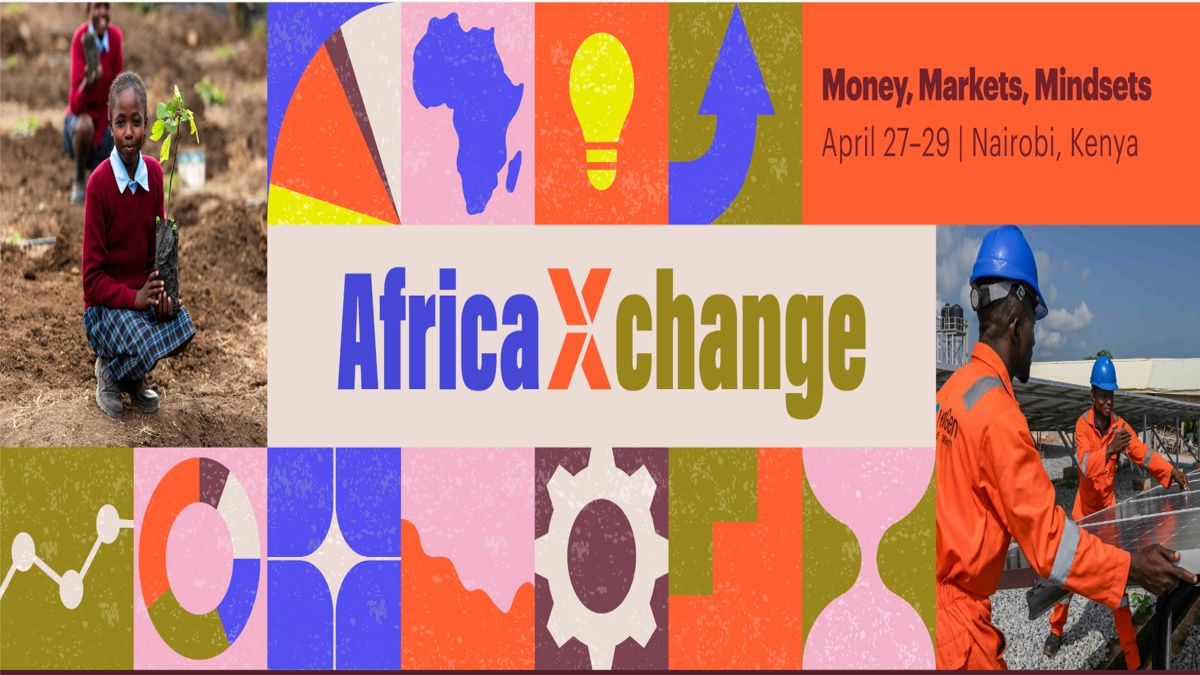
Last month, I attended the Africa Xchange 2026 conference in Nairobi, Kenya, organized by the Rockefeller and Hilton Foundations. Walking away from those three days, I realized how much insight I had gained, not just about funding and markets, but about how we tell our stories and move people to action. The conference theme unfolded across three days: money, markets, and mindsets. Each day brought panel discussions featuring diverse voices and moderators who weren't afraid to push the conversation deeper. There was genuine interactivity in Q&A sessions where the audience shaped the dialogue, networking moments that felt purposeful, and a film screening that became a masterclass in itself. The Power of Storytelling One session that stuck with me was led by Ndidi Nwuneli , CEO of One Campaign, on changing narratives and the cost of capital. She shared a four-step process for building stories that actually move people: First, name the problem. Be clear about what's broken or what needs to change. Second, establish the stakes—help your audience understand what they stand to lose if nothing changes. Third, offer human proof points. Share real data, real stories from the ground that validate your narrative. Finally, present the viable path forward—the solution you're offering. What I loved about this framework is how directly it applies to the work our grantees do. They're doing incredibly impactful work, but how many of them have the tools to tell that story compellingly? This four-step process isn't just about narrative, it's about translating data into stories that move decision makers to act. Activating Your Messengers Another critical insight was about who carries your message forward. There are insiders with direct access to decision makers, experts with technical authority and credibility, amplifiers who translate complexity into public trust, and activists who build grassroots awareness. Identifying and activating these messengers, and knowing when to amplify your message, is what strategic communication is really about. At Nonprofit Builder, this resonates deeply with our mission. We work with grantees who have vital stories to tell, but many lack the strategic communications expertise to get those stories in front of the right people at the right time. That's why we're expanding our network of communications consultants to help organizations build this skill. Because let's be honest: impactful work also needs funding. Strategic communications doesn't just amplify impact; it opens doors to the support organizations need to sustain their work. A Film That Inspired The Food 2050 screening and fireside chat was a highlight. It traced Rockefeller Foundation's food systems vision from a global call that generated over thirteen hundred visions across one hundred and nineteen countries to their current priorities in regenerative agriculture, school meals, and indigenous-led projects like the Sicangu 7 Gen Vision. Watching how community-driven, cross-sector innovation strengthens food sovereignty and nutrition reminded me why this work matters so much. From Ancient Ingredients to Innovation One moment that truly stuck with me was the live cooking demonstration by Slow Food Kenya in collaboration with the Slow Food Movement. They were showcasing how traditional, indigenous foods can be prepared in ways that are both delicious and deeply nutritious, ways that have sustained our communities for generations. The chef prepared a lentil burger. Now, I'd never had a veggie burger before, and I'd wager most people haven't either. There was genuine skepticism in the room beforehand. But watching the process unfold, boiling the lentils, forming the patty, frying it to golden perfection, was mesmerizing. What really impressed me was the approach to sauces. Rather than reaching for store-bought condiments, they blended their own from tomatoes that would otherwise be discarded from markets because they didn't look appealing. These rejected tomatoes became something extraordinary. When I finally tasted that lentil burger, the skepticism melted away. It was genuinely delicious—tasty, satisfying, and a powerful reminder that innovation doesn't always mean complexity. Sometimes it means returning to what we know works, what our communities have always known, and presenting it in a way that opens people's eyes. That burger was a perfect metaphor for the entire conference: taking traditional wisdom and showing how it can address modern challenges around nutrition, local food systems, and sustainability. A Word of Thanks I want to thank William Asiko , senior vice president for the Rockefeller Foundation's African regional office, for his thoughtful moderation throughout the conference. His contributions shaped every discussion we had. And to the master of ceremonies—Mack Maasai- thank you for guiding us through three days with grace and for that closing reminder that change is constant. If we embrace it as an opportunity rather than a threat, we're already halfway there. To the Rockefeller and Hilton Foundations: thank you for bringing so many of us together on the African continent to learn, share, and sharpen one another. Conferences like this are where real collaboration begins. Joan Gekonde, Capacity Building Officer.

19 May, 2026 14:46 Read more
Safe and Ethical AI for Nonprofits: Training Wrap-Up and Real-World Wins
Muqaddus KundiMuqaddus Kundi

Safe and Ethical AI for Nonprofits: Training Wrap-Up and Real-World Wins

Nonprofit professionals pursue the best for their stakeholders, but the need to innovate often conflicts with the need for safety. That's why we launched our pioneering 5-session course, Safe and Ethical AI for Nonprofits : the first of its kind tailored specifically for your world. Due to overwhelming demand, we ran two groups to accommodate everyone eager to dive in. AlignIQ' s Caroline Stauss and Dan Garmat led the course , bringing their expertise in ethical AI to empower nonprofits. They say: “We created this course to be of service to those who are helping humanity and the climate in the context of the rapidly changing context of a world with AI. We aim to help navigate its use for professionals who put ethics into everything they do by teaching about both opportunities and necessary guardrails. We enjoy seeing so many people of vastly different backgrounds and varied experiences with AI reflect on changing their habits and helping to shape their organizations' AI plans.” We skipped the hype to zero in on three practical needs: Drafting (proposals and emails), Summarizing (reports and research), and Structuring (turning messy notes into clear data). Lessons were framed around improving your specific workflow with the tools you already have. Each session ended with a small, specific step to apply that day's lesson to your actual work week. By the end, participants didn't just learn about AI, they deployed a safety framework and faster workflows already in operation. Key Outcomes: Skills That Stick By the end of the training, you can… Upgrade a Workflow : Apply one improvement to a workflow you influence and describe the before/after impacts. Map the Process : Complete a simple workflow map that identifies the steps, completion criteria, and friction points. Secure the Data : Use the red/yellow/green safe-to-use data rule, plus at least two quick confidence checks before sharing outputs externally. Practice Responsible AI : Draft a living AI agreement that defines your ethical boundaries and prepares you to answer stakeholder questions with confidence. Build on What You Learned : Walk away with a customized 30-day adoption plan to sustain and further improve time and cognitive space. Safeguards from Our Trainers Caroline Stauss and Dan Garmat emphasized practical protections: " When it comes to safeguards, there are two important categories: one is when you input data into AI tools, you want to make sure that private data stays private. The other is when the AI outputs something, you need to safeguard trust by making sure your voice is preserved." They also clarified data security: "Paid AI subscriptions have similar data security profiles to other cloud-based software, like email. If you're using AI for free, you have to be more careful about what you share; essentially if you wouldn't forward something private in an email, don't do it with AI either." These aren't theoretical—participants left with hands-on tools to make AI a safe, ethical booster for their missions right away. Participant Voices: Proof in the Impact The results speak for themselves. Tariq Bajwa from the European Center for Constitutional and Human Rights (ECCHR) shared: "The course has been really helpful and insightful! Thank you." Stories like Tariq's confirm we're not just training—we're transforming how nonprofits harness AI responsibly. As pioneers in safe and ethical AI for the nonprofit sector, we're proud to have led the way with this program. The high demand for two full groups shows how urgently your sector needs these skills amid rapid tech changes. Ready to bring safe AI to your team? Reach out to the NPB team to learn more.

20 Apr, 2026 07:18 Read more
Building “Impact Readiness”-Behind the Scenes of the Social Impact Incubator
AAndré Kangni AFANOU

Building “Impact Readiness”-Behind the Scenes of the Social Impact Incubator

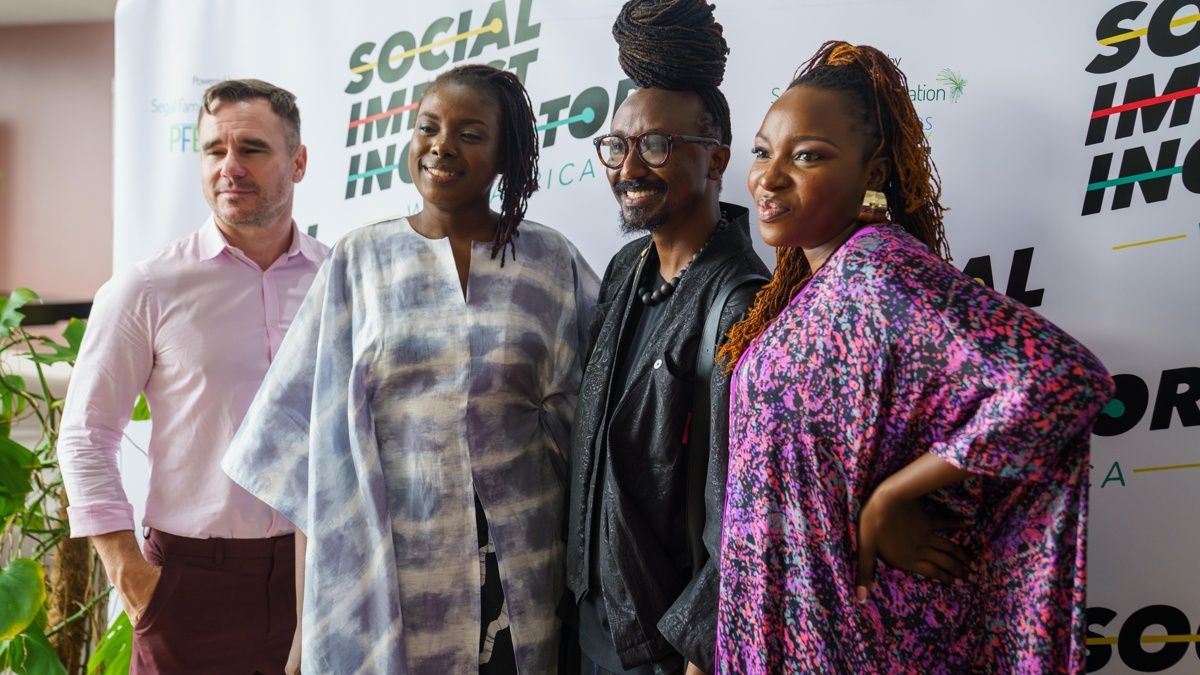
In Francophone West Africa, social impact initiatives are not lacking in ideas or ambition. Organizations led by committed leaders work every day to address major challenges: inclusive education, social justice, women’s empowerment, climate action, and community health. Yet despite the relevance and urgency of their work, many struggle to cross a decisive threshold: achieving impact readiness, a critical condition for sustainably accessing funding, strategic partnerships, and scaling opportunities. It is in response to this structural challenge that the Social Impact Incubator (SII) West Africa was created. The program is supported by the Segal Family Foundation (SFF), coordinated by Non Profit Builder (NPB), and implemented in partnership with Alternative Leadership Group (ALG) through the Académie de l’Influence. The incubator is designed not as a simple sequence of training, but as a transformational organizational journey deeply rooted in local realities and aligned with international impact standards. A Clear Diagnosis: A Dynamic Yet Fragile Ecosystem The social innovation ecosystem in Francophone West Africa is vibrant and rapidly evolving. However, many organizations continue to face recurring challenges: weak internal systems, informal governance structures, limited fundraising capacity, insufficient monitoring, evaluation, and learning (MEL) frameworks, and underdeveloped institutional communication strategies. These gaps do not undermine the relevance of their missions, but they do limit their ability to convince technical and financial partners particularly international funders. Too often, organizations are assessed based on potential rather than their actual readiness to absorb and manage investment effectively. SII West Africa was born from this realization: before investing further in projects, we must invest in organizations. A Methodology Rooted in Real Organizational Needs From the outset, the Social Impact Incubator was designed around a rigorous and progressive methodology. In July 2025, a baseline assessment was conducted to measure the initial status of each of the 33 participating organizations across Senegal, Benin, and Togo. The assessment covered key dimensions including governance, strategy, financial management, communication, Monitoring, Evaluation and Learning (MEL), and safeguarding policies. This foundational step enabled the program to move beyond standardized approaches and offer tailored support adapted to the specific needs of each organization. Based on these findings, a seven-month journey was structured around seven core training modules, complemented by individualized coaching: Strategy and Theory of Change Impact Planning Resource Mobilization and Fundraising Financial Management Monitoring, Evaluation, and Learning (MEL) Safeguarding and Protection Marketing and Communication Each module is delivered by experienced African trainers and coaches, selected not only for their technical expertise but also for their ability to translate complex concepts into practical tools suited to local contexts. The Strategic Role of Alternative Leadership Group: Contextualizing to Transform Within this ecosystem, the Académie de l’Influence plays a central role. As an implementing partner alongside Non Profit Builder, it brings recognized expertise in leadership development, organizational strengthening, and adult learning methodologies. The coordination of SII training activities in Francophone West Africa is led by André Kangni Afanou, who ensures overall program coherence, quality assurance, and alignment between SII’s strategic ambitions and the realities faced by participating organizations. Working alongside him, Akouavi Tannous, Sanounou Djibril Ouro-Sama, and Sylvia Tchopou Djeri actively contribute to designing accompaniment plans, providing technical follow-up to organizations, and supporting reporting to Non Profit Builder and the Segal Family Foundation. Together, they embody a deeply human-centered approach, where organizations are not treated as beneficiaries, but as co-creators of solutions. Visible Transformations at Midpoint At the program’s midpoint, tangible and significant transformations are already visible within participating organizations. For many, the Social Impact Incubator marks a structural turning point in their development trajectory. As Yaye Hélène, founder of Kitambaa in Senegal, explains: “The SII facilitates access to donors and financial partners, strengthening the credibility of our project and opening new funding opportunities.” Focused on combating menstrual poverty, Kitambaa has clarified its financial strategy, strengthened its institutional communication, and structured its impact model enhancing its visibility and credibility with both national and international partners. In Benin, the impact has been equally significant. L’École Le Petit Poucet, a school specializing in inclusive education, exemplifies the transformative power of the program. Claire Hazoumè, the school’s director, shares: “The SII provided structured and tailored support that allowed me to gain clarity by formalizing my vision, mission, and a ten-year strategic projection; rigor, through impact planning that structured my priorities and actions in a clear operational logic; and confidence, as pitch sessions transformed an exercise I once feared into a tool I now master, thanks to practical methods and a supportive environment.” As a result, the school has strengthened its governance and formalized its MEL tools, now equipped with clear indicators to demonstrate impact among vulnerable children. In Togo, Level Up Togo / Speech Spark has enhanced its strategic planning and resource mobilization capacity while gaining confidence in presenting its project. Komlan Braly, the organization’s lead, states: “Today, thanks to the SII, I lead a more professional and resilient organization. I have transitioned from founder-teacher to strategic executive director, capable of pitching Speech Spark to international investors, ministries, and technical partners.” These examples among many others illustrate the core ambition of the Social Impact Incubator: transforming strong ideas into solid, credible, investment-ready organizations capable of generating sustainable impact in their communities. Impact Readiness as a Bridge to Funding A key milestone of the program was the organization of pitch sessions with international investors and foundations. Following intensive coaching sessions, organizations presented their projects in English, supported by professional English–French interpretation. Out of the 33 participating organizations, 16 have already been selected to receive additional funding, with initial disbursements completed. These results reinforce a strong conviction: impact readiness is a decisive factor in securing investment. An Inspiring Model for Funders and the Ecosystem Designed from the outset to be accessible to non-French-speaking donors, the Social Impact Incubator West Africa has strengthened the transparency, visibility, and international credibility of participating organizations. As the program approaches its conclusion in April 2026, a final evaluation will comprehensively measure the transformations generated organizationally, strategically, and operationally. Beyond the tools provided and the funding mobilized, SII West Africa demonstrates that it is possible to design and operate a high-level incubator in Francophone West Africa, grounded in strong partnerships, recognized local expertise, and a deeply human-centered approach. Today, this experience stands as an inspiring reference model upon which other foundations, funders, and support structures can build to develop effective, sustainable, and truly transformative programs in service of the organizations they support.

17 Feb, 2026 14:21 Read more
How to Run a Leadership 360 With a Coach (Without Being a 360 Expert)
Daniel D'EspositoDaniel D'Esposito

How to Run a Leadership 360 With a Coach (Without Being a 360 Expert)

A Leadership 360 becomes truly transformative when it is framed as a serious commitment to growth, supported by another human being, and powered by tools that make feedback both safe and actionable. The core message to a leader is: do not do this alone, and do not let it stop at the report. Why work with a coach (or at least someone) Working with a coach makes it easier to turn raw feedback into meaningful change. Even so, it does not have to be a certified executive coach; what matters most is trust, perspective, and follow‑through. Ideally, leaders partner with an experienced executive coach who knows how to work with 360s, and who can help them interpret patterns and manage the emotional side of the process. When that is not possible, a trusted peer, another leader, or a respected HR partner can effectively play this role, provided the leader genuinely values their judgment and is willing to listen. The key is: it is better to have a supportive “thinking partner” than to go through a Leadership 360 completely alone. Three reasons you should not do a 360 alone There are several human reasons why having someone alongside you is important. First, honest 360 feedback can feel harsh. No leader is perfect, and seeing what colleagues “really think” can be a shock. A coach or trusted partner can cushion the blow, normalize the experience, and keep the leader from withdrawing or becoming defensive. Second, leaders often misinterpret their own data: some are too harsh on themselves and spiral into self‑criticism, while others dismiss or minimize difficult points. A third party helps balance these tendencies, making sure real issues are not ignored and strengths are not forgotten. Third, after the debrief, that person becomes an accountability partner: someone who checks in, asks how the actions are going, and helps the leader stay on a path of change instead of filing the report away and forgetting it. How Leadership 360 AI reports help non‑expert coaches Our Leadership 360 surveys can make the process easier and safer, especially for non‑expert coaches or HR partners who are not full‑time executive coaches. The classic report is already anonymous, and open‑text comments can be randomized across questions so that patterns are harder to trace back to any one rater, which encourages more candid feedback. The (optional) AI report then takes anonymization a step further, by abstracting, summarizing, and clustering comments into key strengths and development themes instead of reproducing raw text, which further protects identities and reduces the risk of “guessing who said what.” The AI report typically includes concrete suggestions: leadership tips, reflection questions, and self‑development techniques aligned with the themes in the data. This gives non‑expert facilitators—HR, internal mentors, or peer coaches—a structured starting point for a solid debrief and action plan. Step‑by‑step process for a Leadership 360 with a coach The process works best when it is intentional and transparent from the start. Before launching the 360, the leader sends a message to all raters explaining why they are doing this, explicitly inviting frank feedback, and describing the steps taken to ensure anonymity (including the use of summary reports). Mentioning that they will work with a coach or accountability partner signals seriousness and commitment. The leader makes it clear that they genuinely want to listen and act on the feedback, not just “tick a box.” This, combined with credible anonymity, encourages honest input and strengthens trust in the process. Once the survey is complete: The leader and the coach (or support person) review the report together, using the AI summary and development report as a map rather than a verdict. The goal of the debrief is to prioritize: from a long list of insights, identify three to four important areas to work on first, rather than trying to fix everything at once. The rest is not discarded, but it becomes a “parking lot” for future layers of change. The coach helps translate these priorities into a practical development plan: specific behaviors, experiments, and commitments over the next weeks and months, so the 360 leads directly into action. Closing the loop and modeling growth for others The final step is to show people that their feedback mattered. After the debrief, the leader thanks everyone who contributed and shares, at a high level, what they plan to focus on—without revealing any confidential individual comments. This closes the loop and builds confidence that speaking up was worthwhile. Over the next month and beyond, the leader deliberately acts on those commitments in visible ways: changing concrete behaviors, asking for informal feedback, and demonstrating that they are genuinely trying to improve. This visible effort does more than repair or strengthen trust; it also inspires others. When a senior leader is willing to expose themselves to feedback, work with a coach or accountability partner, and show real effort to change, it creates permission and motivation for other leaders to do the same. Done this way, a Leadership 360 is not just a survey. It becomes the starting point of a shared learning culture, where leaders model humility, action, and continuous development, and where tools like AI reports and thoughtful facilitation make the process both safer and more effective. The ultimate sign of success: your peers are inspired to follow your example and also do a 360 survey! How to get started Open a free account to discover our surveys. For leadership 360s, start with the “All-Rounder” Leadership 360—a comprehensive assessment that delivers meaningful insights without being overly long.

07 Jan, 2026 08:29 Read more
Building Trust Through Employee Engagement Surveys
Daniel D'EspositoDaniel D'Esposito

Building Trust Through Employee Engagement Surveys

Running an employee engagement survey can be much more than a data-gathering exercise. Done well, it becomes the starting point for a shared process of learning, trust-building, and continuous improvement. The key lies not only in asking the right questions but also in how the entire process - before, during, and after - is facilitated. Below is an outline of four essential steps that help organizations build the kind of trust and ownership that makes engagement surveys truly meaningful. 1. Ensure independence and confidentiality The first crucial step is who runs the survey. Whenever possible, it should be facilitated outside the direct line of management. This separation is essential to ensure that employees feel entirely safe expressing their honest views without fear of repercussion or misinterpretation. At Org360, we often support partners by providing an external facilitation structure — including technical tools and AI-driven data handling — that strengthens anonymity. For example, our AI summary report can automatically synthesize open-text responses in a way that removes individual identifiers or language patterns, ensuring that no one can trace comments back to specific individuals. This feature alone often makes participants notably more candid, because they can trust that their words won’t be personally attributed. 2. Communicate transparently before the survey Trust begins long before the first response is submitted. It’s essential to explain what the survey is for, how it will be handled, and what safeguards are in place to protect anonymity. A short introductory message or “confidence letter” from leadership — ideally co-signed by the survey facilitator — can go a long way toward setting the right tone. At Org360, we can provide communication templates for this purpose, helping organizations introduce their first baseline survey in a clear, reassuring way. The message should emphasize that the goal is to build a great workplace together, not to evaluate individuals — and that candid input will directly inform priority actions. 3. Close the loop quickly and visibly Once the survey closes, communication should continue immediately. Send a thank-you note to all participants and share a summary of key findings as soon as possible. Transparency here reinforces trust and reduces speculation. Even a short visual or brief digest of highlights shows that feedback has been seen and valued. Waiting too long to communicate results creates uncertainty, and uncertainty erodes participation in future surveys. Employees notice responsiveness, not perfection. 4. Take immediate visible action Perhaps the most important step is to act on something right away — one concrete improvement that directly responds to survey feedback. It doesn’t have to be a large or costly initiative; the key is visibility and authenticity. That first small act signals that leadership listens and responds. Over time, this creates a virtuous cycle: employees see that engagement leads to change, and they engage even more. Follow-up pulse surveys can then explore specific areas in greater depth, creating an ongoing rhythm of listening and action. From feedback to shared ownership An employee engagement survey isn’t an end in itself. It’s the beginning of a co-created journey where employees and leaders learn together how to make the organization stronger and more connected. When independence, anonymity, transparent communication, and quick action come together, trust flourishes — and real engagement follows. How to get Started How to get started? Open a free account to discover our survey library. To measure employee engagement and satisfaction, begin with our Employee Engagement & Satisfaction Baseline, the quickest way to understand how your team is really doing.

05 Jan, 2026 10:11 Read more
Vacancy: Product Owner & Quality Assurance Lead (Remote, 50–100%)
Daniel D'EspositoDaniel D'Esposito

Vacancy: Product Owner & Quality Assurance Lead (Remote, 50–100%)

Organization: NonprofitBuilder.org Team: ~15 people, fully remote, international Development partner: External software team in Bosnia Location preference: Ukraine Language: Good working English Experience: Mid-level (around 5+ years) About us Nonprofit Builder is a global consulting platform serving nonprofit organizations and foundations. Our web-based system supports the full consulting project cycle—from defining and approving work, to delivery tracking, payments, and satisfaction surveys. We are a small, collaborative team working across countries, with a strong mission focus and a friendly, no-nonsense culture. The role We are looking for a hybrid Product Owner & Quality Assurance Lead who acts as the bridge between: our internal team (support, operations, leadership), and our external development team. This role combines product coordination, hands-on testing, and continuous improvement of a CRM-style web application. What you’ll do Product ownership & coordination Collect, structure, and prioritize bugs, improvements, and feature requests Maintain a clear and well-organized backlog in Trello Translate business needs into clear, actionable tickets for developers Answer developer questions and clarify edge cases Take part in weekly showcase/demo meetings and manage follow-ups Quality assurance (manual testing) Test new features and bug fixes before deployment Maintain and update a set of manual test cases for key workflows Perform release checks to ensure nothing critical breaks Report issues clearly, with steps to reproduce and expected behavior Platform improvement Proactively suggest improvements to workflows, UX, and automation Identify opportunities to improve staff efficiency and client experience Contribute ideas around smart use of AI or automation where appropriate Support & enablement Configure the system for new and existing clients (settings, roles, workflows) Create short tutorial videos and simple user guides Support the internal team with clear documentation and explanations Who we’re looking for Around 5+ years of experience in a product, QA, operations, or similar role Experience with CRM or workflow-based web applications Comfortable working with tools like Trello (or similar) Strong attention to detail and a structured way of working Clear communicator, able to work with both technical and non-technical teams Reliable, proactive, and a good team player Good English (written and spoken) Able to work remotely and attend 3 team meetings per week Working conditions Remote role, ideally based in Ukraine Start at 50% (part-time), with potential to grow International, mission-driven team with a good working atmosphere Long-term collaboration if the fit is right Interested? Please write to jobs@nonprofitbuilder.org with a motivation email explaining why you are a good fit for the job, and the link to your Linked In profile (no CV).

16 Dec, 2025 13:16 Read more
Digital Safeguarding in the Age of Artificial Intelligence (AI): The New Survival Skill You Can't Ignore
Agatha MumoAgatha Mumo

Digital Safeguarding in the Age of Artificial Intelligence (AI): The New Survival Skill You Can't Ignore

The digital landscape is evolving at a fast pace, and with the many advantages also come risks and threats to our online security. In this era of Artificial Intelligence, Digital safeguarding is no longer a nicety but a necessity. It is a survival skill that requires attention, awareness, and action. AI has improved Organizational efficiency and productivity through automation, management systems, and human AI assistants. Customer service has been personalized, and manual workloadshave been reduced to accurate and precise documents, aiding in quick and reliable decision-making processes. On the other hand, AI-driven phishing attacks can now mimic writing styles, reference current work stress, and exploit emotional state with precision. Deepfakes and synthetic media can spread misinformation quickly, affecting Individuals, Organizations, and Society as a whole. The risks are real, and the consequences can be severe. The Psychology of Risk states that humans are wired to respond to uncertainty and anxiety. The uncertainty created by algorithmic processes we can't easily see or question naturally produces anxiety. However, by understanding the psychology of risk, we can adapt and build resilience. Effective Digital Safeguarding requires an understanding of the four interconnected domains of Modern Digital risk: 1. Data Risks: AI systems depend on vast datasets, but flawed data can embed existing social inequities into automated decisions. 2. Model Risks: AI models can be compromised through adversarial attacks or prompt injections. 3. Operational Risks: Weak governance and accountability mechanisms can lead to breaches and failures. 4. Ethical and Legal Risks: Unmanaged risks can result in reputational damage, regulatory violations, and legal consequences. The conversation about Digital Safeguarding and Online Safety is inevitable in a space where AI is evolving and becoming more accurate. It is now not a discussion of technology but one of building resilience and adaptability through strengthened Organizational structures and Systems. Digital Safeguarding Framework, therefore, becomes an essential toolkit for every Organization. Lastly, Digital safeguarding is ultimately about people. By prioritizing human values like fairness, privacy, and compassion, we can create a safer digital world. It is a call to action to embed these values into the systems shaping modern life and build a more resilient Digital future!

16 Dec, 2025 09:43 Read more
Why I Choose Nonprofit Builder: Our Global Team
Jonel SahadewJonel Sahadew

Why I Choose Nonprofit Builder: Our Global Team

At Nonprofit Builder (NPB), we are not just building capacity, we are building community. Our team is a vibrant mosaic of cultures, time zones, and talents. And yet, despite the distance and diversity, we are united by something powerful: a deep respect for nonprofits and an unwavering belief in their vision. So, why do I choose NPB? Because here, values aren’t just words on a slide, they are baked into our daily rhythm. Whether it’s jumping into a late-night call to support a grantee in a different time zone, or brainstorming creative workarounds when resources are tight. I have worked in HRM roles across different organizations, and I know firsthand that belonging and inclusion are not just nice-to-haves, they are essential. At NPB, I have found both. I am part of an amazing team where every voice matters, every perspective is valued, and every person is encouraged to bring their whole self to the table. We are part of a dynamic ecosystem of funders, grantees, and expert consultants. We are trusted by our leadership, Anna and Daniel , to lead with independence and integrity, and that trust fuels our drive to deliver excellence. No micromanaging. No drama. Just good humans doing great work. Our team meetings? Equal parts strategy and fun. One minute we are mapping out a new support model, the next we’re playing quirky games or debating the best food in our cities. We celebrate wins, big and small, and we celebrate life milestones too, birthdays, graduations, and personal achievements. These moments remind me that we are not just colleagues; we are a team connected by shared values and genuine care. Working on global projects brings me joy. Each initiative is impactful, stretching across borders and cultures, and I feel proud knowing that our work makes a difference in communities worldwide. And when someone’s having a tough day, there’s always a kind word, a listening ear, or a gesture of support. NPB offers a safe space to do our best work, a space where kindness, curiosity, and commitment to impact are the norm. In a world where toxic workplaces are all too common, NPB is a breath of fresh air. I choose it because it chooses me, my whole self, quirks and all. And that’s why I stay. Because when you find a team that’s kind, connected, and truly cares, you hold on tight. This is why I choose NPB. And honestly, I wouldn’t have it any other way.

03 Dec, 2025 09:29 Read more
Beyond the Inbox: How Customer Care Transforms into Capacity Building
Joan GekondeJoan Gekonde

Beyond the Inbox: How Customer Care Transforms into Capacity Building

In my role as a Capacity Building Officer, my daily work often feels less like managing a ticket queue and more like navigating a central nervous system. I sit at the nexus of our partnerships, supporting three vital groups: the Foundations that fund us, the Grantees who are doing critical work, and the Consultants who deliver the expertise. This is a noble, demanding, and incredibly rewarding position. It involves a constant cycle of troubleshooting, translating, and harmonizing needs across different partners, cultures, and time zones. My engagement is a blend of high-touch communication: Verbal Troubleshooting: Quick video or Zoom calls to unblock a consultant, clarify a budget line for a funder, or walk a grantee through a feature on the platform. Email Exchanges: This is the high-volume engine of my day. It demands efficiency, clarity, and precision, often involving complex technical or contractual back-and-forth. I thrive on the challenge of figuring out the solution to the issues raised by our partners. It's a privilege to work with people of such diverse temperaments and geographical regions—from the easy-to-work-with partners to those who require extra patience and understanding. Embracing this global diversity is truly one of the greatest blessings of this role. One of the most profound aspects of our customer care isn't just responding to the immediate question; it's recognizing patterns. We are all familiar with repetition: the same question asked several times by different partners. While it can be tempting to simply copy-paste the answer, that is where we stop being just "support" and start being a strategic partner. When a question or issue is raised repeatedly, we take it as an opportunity for systemic analysis. It is a signal that our process, platform, or documentation is failing at that specific touchpoint. Our goal is simple: We do not take repetition lightly. We use recurring questions as data points to identify the root cause and implement solutions that mitigate the need for those issues to be raised again. This translates directly into: Platform Refinement: A repetitive workflow question might lead to a clear feature update on the Nonprofit Builder platform. Documentation Enhancement: A common budgetary question leads to a new, clear FAQ or a policy explanation. Efficiency Gains: Solving the systemic problem once means dozens of hours saved for partners (and for us!) in the future. I have observed firsthand how much our partners appreciate quick responses. In the non-profit world, emailing a generic "support@" address often carries the fear that a response will take days, if not weeks. The ability to respond to a partner in a matter of hours, or sometimes even minutes, is something I take great pride in. I see every issue as a puzzle: identifying the missing piece, providing the solution, and getting back to the partner to say, "Thank you for your patience; this issue is solved." This is a source of great personal joy and pride. This speed and constant presence: builds trust and maintains momentum. Our commitment doesn't end when the support is delivered; I view my role as providing end-to-end support. We remain present to help partners navigate any subsequent challenges, assess the impact of the support provided, and identify new needs that the successful activity may have unlocked. We are there, present and ready to help, throughout the entire lifecycle. What makes this meaningful is that it is never just communication; it is impactful work. We are building organizations' capacity, helping them create strong systems, and enabling them to be more resilient and impactful in the critical work they do. Working remotely gives us an incredible window into this global diversity. Even reading a simple 'Out of Office' notification is eye-opening—it provides a small, human glimpse into the different contexts, lives, and journeys of our partners worldwide. These small details are easily ignored, but are a meaningful reminder that our service has a real, tangible impact on real people and their missions. By valuing quick, clear communication and using every question as an input for process improvement, we ensure that Nonprofit Builder truly lives up to its name.

26 Nov, 2025 09:24 Read more
What the Nonprofit Builder experience is about for me?
Nataliia SharninaNataliia Sharnina

What the Nonprofit Builder experience is about for me?

It was a risk for both the Nonprofit Builder team and me. Neither of us had experience in what we now were supposed to deal with. As the first employee to join, I had no clue what I would be doing and what my responsibilities would be. Being an anxious person I suddenly had one more thing to be anxious about. To provide context, this was back in early 2022. As the war started, I moved from Ukraine to Poland with my son. I had just finished an international project and promised myself a two-week rest before jumping into the job search. I must have done something right, however, because I received Daniel’s suggestion to try working together—all without putting extreme effort into the search (we’ve met a couple of times earlier in Ukraine). "You receive what you manifest" (another thing you should know about me) is the rule I live by. This was both a support the Universe sent and a significant challenge. But we are given challenges because we are strong enough to deal with them. I plunged into it with passion and full commitment. There were ups and downs, for sure. But if you would ask me for my list of NPB associations, they would be: healthy commitment, growth, scaling, impact and game-changing players, open-mindedness, flexibility, and honesty. Crucially, it's about attention and care to both yourself and our clients, where communication is paramount and kindness is non-negotiable. Many of these things are my default settings and are nonnegotiable therefore the place i work should embed them which is so with Nonprofit Builder. That’s not even mentioning brilliant people that joined the team later. They brought their own resilience and expertise, solidifying the foundation that was started by Anna and Daniel. For me, the NPB experience is ultimately defined by this collective strength: a commitment to building capacity not just for our clients, but within each other, every single day. Today, as we scale and connect with brilliant game-changers globally, I look back and realize the greatest lesson: taking that leap was the ultimate act of manifesting strength. And now, with this incredible team, we are ready to build what’s next.

26 Nov, 2025 09:13 Read more
The Invisible Part of Being a Good Nonprofit Consultant: What Really Sets the Best Apart - and What Holds Others Back
Anna KondratyukAnna Kondratyuk

The Invisible Part of Being a Good Nonprofit Consultant: What Really Sets the Best Apart - and What Holds Others Back

In the nonprofit world, consultants often appear at pivotal moments - when an organization is growing fast, facing turbulence, or ready to evolve. They arrive with frameworks, tools, and experience. But what truly distinguishes an exceptional consultant is rarely visible on a résumé. It lives in the invisible part of the work - the values, ethics, and quiet discipline that shape how they show up for others. Mission Alignment: Working for the Cause, Not for the Contract At Nonprofit Builder, we’ve seen the full spectrum of consultants: from those who treat each project as a mission to those who treat it as a transaction. The difference is palpable. Good consultants share nonprofit values. They care deeply about the cause. They listen carefully. They price their work fairly, understanding that nonprofits run on purpose, not profit. They are flexible with time, payment, and process because their focus is on value, not comfort. By contrast, consultants who prioritize personal convenience or earnings above impact stand out for the wrong reasons. They negotiate fees before understanding the need. They stretch projects unnecessarily. They prefer predictability over purpose, long contracts over good results. In short: they work for themselves, not for the mission. And that never leads to real partnership. Professionalism Beyond the Surface True professionalism in consulting has little to do with branding or degrees. It shows in behavior: preparedness, punctuality, responsiveness, and respect. A good consultant doesn’t need to be reminded to send materials, follow up, or meet deadlines - they simply do it. Their work is polished, but never performative. They take responsibility for mistakes, apologize when necessary, and fix issues fast. Mediocre consultants, on the other hand, often reveal themselves through the small things: late responses, sloppy documents, poor follow-through, or lack of curiosity about the organization’s context. These are not harmless quirks; they quietly erode trust - and in our field, trust is everything. Ethics as Daily Practice In nonprofit consulting, ethics are not abstract. They are lived daily through decisions: whether to over-charge or to right-size; to dominate a conversation or to listen; to create dependency or to build capacity. Great consultants empower. They aim to leave the organization stronger, more self-reliant, and more confident than before. They protect confidentiality, communicate transparently, and adapt their usual ways of working to the grantee’s real conditions. Poor consultants often do the opposite: they withhold information, resist feedback, or make the client reliant on them. They may hide delays behind excuses or disregard cultural sensitivity. In a sector built on trust, such habits are not just unprofessional - they are incompatible with the spirit of service. Accountability and Care Good consulting means being accountable not only for deliverables but for process. Consultants who thrive in our programs plan meticulously, clarify roles, communicate proactively, and keep both Nonprofit Builder and grantees updated throughout the journey. They drive the process with confidence and empathy, making the grantee accountable too - because real capacity building is a shared responsibility. Accountability also means efficiency: using time wisely, adapting quickly, and producing outcomes that matter. It’s about delivering results that bring tangible improvement, not just pleasant discussions. The Human Qualities That Cannot Be Taught After working with hundreds of consultants, one insight stands out: the most valuable qualities are human, not technical. Curiosity. Warmth. Integrity. Modesty. The ability to connect with a stressed executive or a skeptical founder and make them feel heard. The courage to say “I don’t know, but let’s find out.” These are the consultants nonprofits remember - and re-engage. Because they make capacity building feel lighter, kinder, and genuinely useful. Over the years, we have observed these qualities so consistently that they became the foundation of our Values and our Code of Conduct for Consultants . They were not written in a meeting room or invented as aspirations. They were distilled from hundreds of testimonials shared by nonprofit organizations after working with our consultants across 60+ countries. These are lived values, not declarations — the everyday behaviors grantees noticed, appreciated, and trusted. In many ways, they are the collective work of more than 800 consultants who shaped this global ethos through their practice, not their words. Our values: https://nonprofitbuilder.org/our-values Code of Conduct: https://nonprofitbuilder.org/code-of-conduct-for-consultants A Final Word The invisible part of being a good nonprofit consultant isn’t glamorous. It’s not about clever models or name recognition. It’s about care, respect, and service - showing up as a partner who helps others succeed. At Nonprofit Builder, this is what we value most. Because in the end, consulting is not about selling expertise - it’s about building trust that turns good intentions into real, lasting change. If you have been part of organizational development in any form, we invite you to pause and reflect: What invisible qualities shaped the best consultant you ever worked with? Your observations help keep this field grounded in what truly matters. LinkedIn post: https://www.linkedin.com/feed/update/urn:li:activity:7399160046712152065/ LinkedIn article: https://www.linkedin.com/pulse/invisible-part-being-good-nonprofit-consultant-what-sets-kondratyuk-obvoe/

25 Nov, 2025 19:19 Read more
The Power of “Small Fixes”: Why Tiny Interventions Can Spark Transformational Change
Anna KondratyukAnna Kondratyuk

The Power of “Small Fixes”: Why Tiny Interventions Can Spark Transformational Change

In the nonprofit world, there is a belief - held firmly by some well-meaning practitioners - that organizational development must be serious, heavy, and complex. People like those well-meaning practitioners, whom we deeply respect, defend this view passionately: you must begin with a long diagnostic, you must map every weakness, the process must be deep and transformative, and anything shorter or lighter cannot be “real” organizational development. The intention is noble. The effect, unfortunately, is that many organizations never begin anything at all. The Weight of the “Perfect” Process Most nonprofits are already stretched thin. The idea of entering a months-long assessment feels intimidating, time-consuming, and risky. Leaders fear what might be exposed. They fear being judged. They fear being positioned as “deficient.” They fear the emotional cost of looking at everything that is not working. So they postpone. Then postpone again. And, as a result, capacity building simply never happens. A model that is meant to strengthen organizations ends up stopping them at the gate. A Lighter, More Human Approach We’ve learned something different through our work at Nonprofit Builder: capacity building can begin small. Very small. And small can be transformational. Not everything has to be a multi-month engagement. Not every improvement needs a diagnostic framework or a 60-page report. Sometimes the most powerful catalysts are simple, targeted interventions - a single conversation, a single template, a single insight that unlocks years of improved practice. We see this again and again with the nonprofits we support. And we see it in our own organizational journey. Small Fixes That Changed Everything (Our Experience) Here are a few real examples from our own growth as an organization - all of them short, simple, and profoundly impactful. 1. Business planning sessions that set us on a growth trajectory We had only a handful of sessions with an experienced business consultant. The work was not long, not elaborate - but it was crystallizing. We developed our business model. We made projections. We built the foundations of a fast-growing, financially stable organization. A short engagement. A multi-year transformation. 2. A strategic communication insight that shaped our voice A high-profile communications consultant gave us just a few targeted suggestions. Not a whole campaign. Not a full engagement. Just extremely sharp, strategic advice. It helped us refine our tone, our messaging, and our approach to speaking about our work. It shifted how we appear to the outside world. A few sentences. Enduring clarity. 3. One financial conversation that reshaped dozens of budgets A financial consultant once walked us through the logic of direct and indirect costs - clearly, simply, and in one short session. To this day, years later, every single budget we build for foundations is influenced by that explanation. It changed how we think about cost structure; it corrected past assumptions; it improved the clarity of our entire model. One conversation. Lasting impact. 4. A single template that became part of our DNA A capacity-building coach shared a straightforward cash flow template with us three or four years ago. We still use it. It is simple, clean, and incredibly effective. Would we have received that template after a long, expensive organizational assessment? Possibly. Did we need the long assessment to get it? Not at all. One document. Continuous impact. 5. Capacity Coaching: Small Steps Over Time Another place where small steps quietly create big change is through capacity coaching . Unlike formal consultancy engagements with fixed scopes and deliverables, capacity coaching is often a gentle, ongoing series of conversations - addressing the issue of the day, offering a practical tool, reframing a dilemma, or helping a leader think just one step ahead. None of these moments look dramatic in isolation. But over months, this rhythm of small, steady interventions helps organizations work through surprisingly large sets of issues: role clarity, decision-making, planning habits, communication norms, board dynamics, and more. We have worked with capacity coaches on and off throughout our own evolution, and every time we did, even short cycles of coaching proved transformative - clarifying our thinking, strengthening our structures, and helping us navigate complexity with more confidence and calm. Capacity coaches are often the ideal companions for nonprofits because they meet leaders where they are, support them without judgment, and help them build confidence through manageable, real-time improvements rather than overwhelming processes. Small steps become a pathway, and the pathway becomes a journey. Why “Small Fixes” Work Small interventions succeed because they do not trigger fear. They do not overwhelm. They do not require leaders to expose everything that feels vulnerable. Instead, they: create quick wins, build trust, grow confidence, and open the door to deeper work when the organization is ready. They help organizations experience capacity building as positive, light, and useful - not heavy, punitive, or diagnostic in nature. Small fixes build learning habits. Learning habits build learning organizations. And learning organizations eventually take on deeper work willingly. The OD Journey: Progress Begins With the First Step Beyond these examples, what truly shapes our work at Nonprofit Builder is the idea of an OD Journey. Organizational development is not a single intervention but a path: the most important step is simply to begin. It doesn’t matter which “thread” an organization picks up first - a financial question, a planning habit, a communications issue, a team dynamic. Like a ball of yarn with ten threads, tugging on any one of them eventually reveals how everything is connected. With time, organizations gain a more mature understanding of themselves and of how to work with experts. And good consultants know how to guide this journey: starting from one visible symptom and gradually leading the organization toward deeper, structural development needs. In this journey, we are builders - but the nonprofit does 90% of the work. Our role is simply to make the first step feel light enough to take, and then to help them stay on the path of continuous improvement. Because long-term impact comes from an impactful organization. The Real Victory Is Movement, Not Magnitude This is where well-meaning practitioners' seriousness becomes counterproductive. Their approach aims for profound transformation - but often prevents any transformation, because people are scared to begin. The biggest victory is not conducting a perfect assessment. The biggest victory is simply putting an organization on the capacity-building journey . Once they’re moving - even with the smallest step - everything becomes easier. Some nonprofits will later choose a deeper process. Some will stay with quick, targeted support. Both paths are valid. Both build capacity. And both honor the organization’s rhythm, rather than imposing expectations that freeze them in place. A Final Thought Capacity building does not need to be long to be meaningful. It does not need to be heavy to be transformative. And it certainly should not frighten organizations away before they even start. Our own success - and the success of hundreds of grantees - shows that small fixes often become the pillars of long-term growth. Sometimes the simplest advice, the lightest guidance, the shortest conversation can reshape an organization for years to come. Because the real power of small fixes is not small at all. It is cumulative. It is confidence-building. It is liberating. And for many nonprofits, it is the key that finally opens the door to change. Before we close, a question for everyone working in capacity building, leadership, coaching, or nonprofit support: 👉 What is the small intervention that made the big difference in your work? 👉 What unlocked something important in your organization or in your practice? Whether you’re a consultant, a funder, or a nonprofit leader - your stories help demystify OD and make it more welcoming for others to begin their own journey. If you feel inspired, share your experience in the comments under the LinkedIn Post: https://www.linkedin.com/feed/update/urn:li:activity:7399145748803665920/ Or tag someone whose “small fix” helped you learn or grow - people, whose insights often become catalysts for others. Let’s make capacity building lighter, kinder, and easier to start - together. https://www.linkedin.com/pulse/power-small-fixes-why-tiny-interventions-can-spark-anna-kondratyuk-dlxve/

25 Nov, 2025 17:54 Read more
Working in a Distributed Multicultural Team: Reflections and Lessons
Muqaddus KundiMuqaddus Kundi

Working in a Distributed Multicultural Team: Reflections and Lessons

Working in a distributed, multicultural team is one of the most rewarding professional experiences but also one of the most misunderstood. Many assume “remote” is isolating or that “multicultural” is complicated. In reality, with intention, it can be a source of creativity, learning, and genuine human connection. Having collaborated with teammates across continents, I’ve learned that successful distributed work is less about avoiding differences and more about embracing them. Here’s what I’ve discovered works and what makes the experience so special. Why Distributed Teams Are Unique Diverse perspectives drive creativity. Different approaches to problem-solving help catch blind spots and generate better ideas. Work becomes human again. One of the quiet joys of remote multicultural work is what you learn beyond the task list. You hear stories from people’s hometowns, new year traditions, favorite street foods, rainy-season quirks, or how weddings last three days in one country and thirty minutes in another. You end up Googling dishes you’d never heard of, or asking for recipes during team calls. This kind of learning makes work feel human again. Fun and connection thrive—even on Zoom. Many people assume remote teams miss out on fun. But we’ve found the opposite. Playing games like Pictionary over Zoom, guessing childhood photos, or sharing “two truths and a lie,” —these things create real bonds. Distributed does not have to mean distant. Annual retreats strengthen relationships. An annual in-person retreat feels like a reward for all the virtual collaboration. Spending time together, sharing meals, exploring a city, debating strategy face-to-face creates a strong relational foundation for the rest of the year. You go back to your distributed setup with renewed trust, clearer alignment, and a sense that your team is not just a list of names and Slack icons, but real humans. Challenges and Learning Different work rhythms, communication styles, and expectations exist but none are “wrong.” What I’ve learned: Pause before judging; what seems slow may be thoughtful. Assume positive intent as it transforms collaboration. Ask rather than guess; open conversations prevent misunderstandings. Share your norms; people can’t adapt to what isn’t articulated. Practical Tips for Thriving Distributed Teams 1. Make the obvious explicit. Clarify decisions, deadlines, responsibilities, and communication channels. 2. Build awareness into routines. Rotate meeting chairs, share work preferences, or have short spotlight moments to understand each other’s approaches. 3. Prioritize psychological safety. Encourage questions and honest communication, asking for clarity should be seen as competence, not weakness. 4. Keep work joyful. Use Zoom games, collaborative playlists, virtual coffee chats, and small rituals to lighten the load and strengthen bonds. 5. Use retreats strategically. Plan for alignment, goal-setting, and relationship-building that can’t happen virtually. 6. Celebrate differences. Recognize milestones, personal wins, and even food traditions, it strengthens connection and fosters inclusion. 7. Build shared rituals. Inside jokes, recurring games, or team traditions turn a group of people into a community. Reflections Distributed multicultural teams teach patience, empathy, and adaptability. They expand your perspective and reveal parts of yourself you might not otherwise notice. With intention, clarity, humor, and connection, these teams don’t just function, they thrive. They remind us that work can be global and human at the same time. Difference is a strength, and connection doesn’t require proximity—just openness.

25 Nov, 2025 10:52 Read more
The Pleasures of Working at NonProfit Builder
Oprah AyebareOprah Ayebare

The Pleasures of Working at NonProfit Builder

Working at Nonprofit Builder means helping organizations do their best work for the communities they serve. People often picture trainers, consultants, and leaders at the front of the room and they should. But there is another constant in the story: the steady, behind‑the‑scenes craft who keeps the current steady so the work can flow. When people ask what it is like for me here, I smile and say, “I keep things moving.” It sounds simple until you peek behind the scenes. Every session, every proposal review, every certificate, every quick fix checks on the CRM sits on a web of planning, coordination, and quiet problem‑solving. That is the engine and honestly, that is where I thrive. This is not just a job to me. It is a privilege and a real source of joy. Every invite I send, every budget I check, every feedback form I nudge forward supports something bigger: a safeguarding system that actually protects people; a strategy that fits on one page and guides a team; fundraising steps that make sense; MEL habits that turn data into better decisions. Even when I am not on the mic, I am part of the story and that matters to me. I sit where trainers, grantees, funders, time zones, and deadlines intersect. Some days it is a last‑minute reschedule because a flight changed; other days it is translating a brief into plain language or helping a partner upload the one file that unlocks their support. The best feeling is being someone people can count on whether a report is due in an hour or someone simply needs a listening ear after a full week of sessions. Yes, I take joy in the small things: a perfectly labeled Zoom room, a clean agenda, a tidy tracker. There is quiet pride in making complexity look effortless even when a dozen moving parts are spinning in the background. And nothing beats hearing, “Thank you, I don’t know how you pulled that off.” This work is a classroom without walls. I learn from strategy coaches, MEL experts, safeguarding practitioners, fundraisers, comms storytellers, and finance pros. I have picked up more about data, human behavior, and the art of clear writing than I ever expected. We work across countries, languages, and rhythms but the sense of shared purpose is real. A partner finally cracks their prospecting workflow; a quiet participant shares a breakthrough; a consultant says, “That handover saved me.” Those moments keep me going. Operations and coordination can be dismissed as “back office.” I see them as the base that lets others shine: the trainer who can focus on teaching, the grantee who can focus on change, the funder who can see progress clearly. Our goal is simple: keep the energy protected and the work moving. It is not always easy. Plans shift. Deadlines compete. Internet drops when you need it most. But it is always meaningful. Because on the other side of calendar invites and trackers are real people trying to build stronger, safer, more resilient organizations and I get to help make that possible. Oprah Viola Ayebare

11 Nov, 2025 15:50 Read more
How the Nonprofit Builder Works: Seven Key Elements
Daniel D'EspositoDaniel D'Esposito

How the Nonprofit Builder Works: Seven Key Elements

 We try to offer grantees a wide choice of consultants. We are fortunate to work with over 750 professionals covering many geographies from Japan to Chile. We've worked hard to build a uniquely global localized network, though we know there's always room to grow. When we find gaps, we do our best to source new talent, often through network recommendations. And the grantee is always in the driving seat, able to bring their own consultants on board if that's their preference. We're here to make it work their way!  Our consultants and trainers are specialized in serving the nonprofit sector, bringing relevant, contextualized experience. These are often solo consultants or small practices who bring valuable expertise – we call them superheroes (more on that later). When we come across consultants or trainers with innovative approaches, we make sure they reach global audience - we see ourselves as a connector of ideas , wherever they may come from. We helped more than one consultant launch a successful career in a sector that used to depend on personal connections as much as skill or experience. We bring new funds to capacity building and this helps talented consultants continue serving the sector rather than having to seek other employment.  We aim to keep pricing fair and sustainable. First, we offer foundations pay-as-you-go contracts where you only pay if and when your grantee uses the service (if there's no uptake, you can have your money back – though we're grateful that demand is often strong!). Second, we do our best to facilitate fair arrangements, helping consultants charge fees appropriate for their experience and market while reviewing projects to ensure reasonable pricing. This approach tends to work well for everybody, grantees, foundations and consultants.  We try to make processes as smooth as possible. We work continuously to reduce the administrative burden of capacity building. For example, a consulting project – once the grantee and consultant have met and the consultant has posted the project – can often be approved in just a couple of days. What helps us: a CRM system we've developed over time, a dedicated support team from different parts of the world, and a genuine commitment to helping your grantees succeed.  Our model helps grantees focus on their outcomes rather than worry about the cost. This is what we hope makes the Nonprofit Builder useful: the grantee receives the service without payment concerns, with their foundation supporting in the background. We understand how challenging it is for nonprofits to allocate unrestricted funding for capacity building when urgent needs like payroll are pressing. Our model attempts to remove this barrier, helping grantees access the level and quality support they need without worrying about how to pay for it (their foundations cover the cost via our system).  We have learned a lot about grantee needs over the years. Through working with many organizations and trying different approaches ( more than 800 coaching or consulting engagements in the past 2 years! ), we've gathered insights about what formats and models tend to work well. For example, we've found that projects of 6 to 10 consulting days often hit a sweet spot – giving consultants enough time to understand the grantee while keeping costs manageable.  We try to provide a range of services to meet different needs. From one-on-one consulting to group training, coaching support, and we're exploring capacity building grants. We also facilitate cohort approaches, bringing together grantees facing similar challenges or transitions, from incubator programs to exit planning support. Learn more about how we can support your grantees in this attached leaflet . We'd welcome the opportunity to discuss how this approach might work for your foundation – please don't hesitate to reach out when you're ready to explore the possibilities together!

11 Nov, 2025 13:36 Read more
Showing 18 of 22 records