
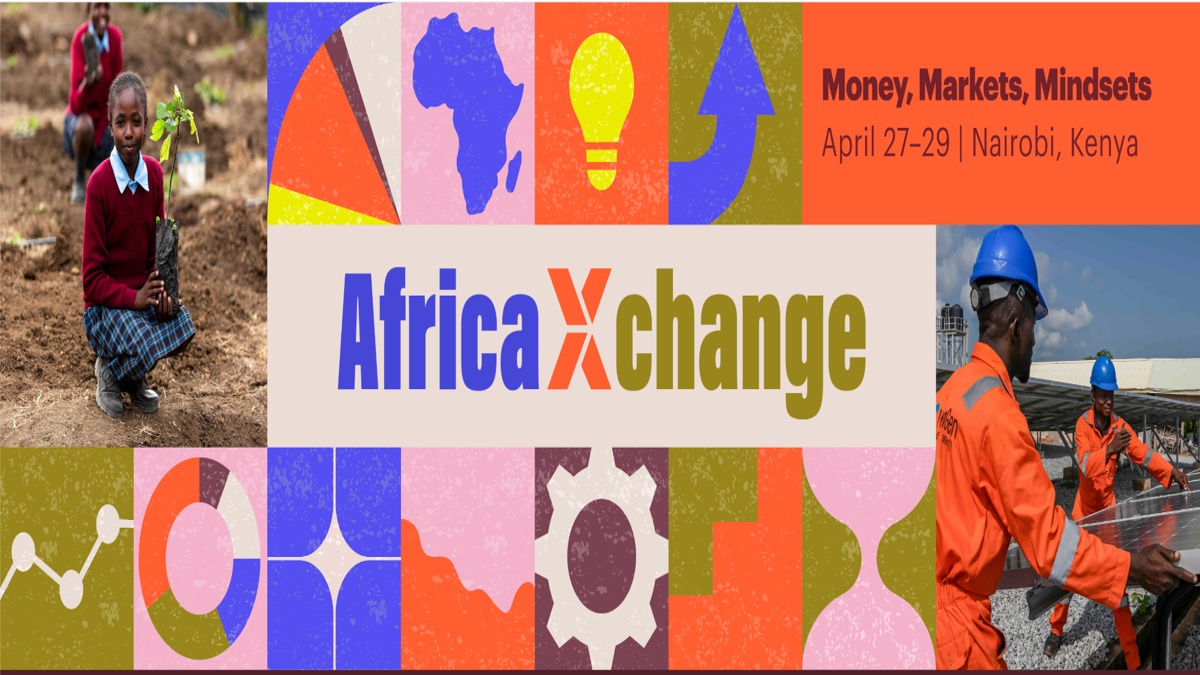
Last month, I attended the Africa Xchange 2026 conference in Nairobi, Kenya, organized by the Rockefeller and Hilton Foundations. Walking away from those three days, I realized how much insight I had gained, not just about funding and markets, but about how we tell our stories and move people to action.
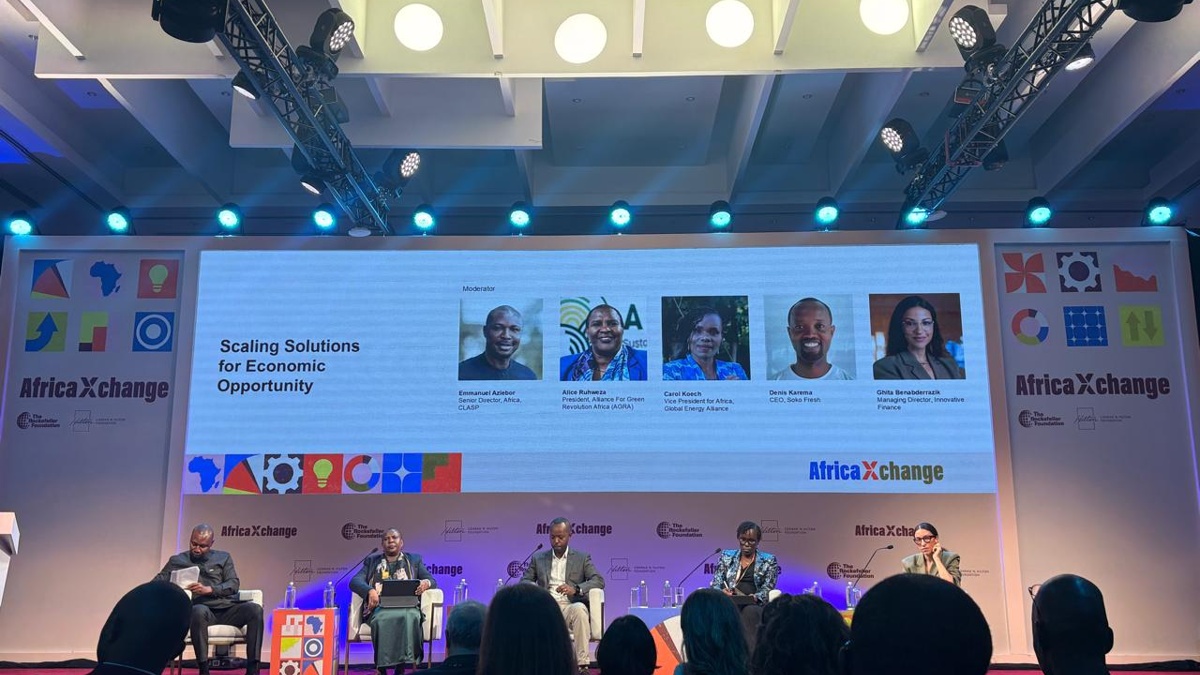
The conference theme unfolded across three days: money, markets, and mindsets. Each day brought panel discussions featuring diverse voices and moderators who weren't afraid to push the conversation deeper. There was genuine interactivity in Q&A sessions where the audience shaped the dialogue, networking moments that felt purposeful, and a film screening that became a masterclass in itself.
The Power of Storytelling
One session that stuck with me was led by Ndidi Nwuneli, CEO of One Campaign, on changing narratives and the cost of capital. She shared a four-step process for building stories that actually move people: First, name the problem. Be clear about what's broken or what needs to change. Second, establish the stakes—help your audience understand what they stand to lose if nothing changes. Third, offer human proof points. Share real data, real stories from the ground that validate your narrative. Finally, present the viable path forward—the solution you're offering.
What I loved about this framework is how directly it applies to the work our grantees do. They're doing incredibly impactful work, but how many of them have the tools to tell that story compellingly? This four-step process isn't just about narrative, it's about translating data into stories that move decision makers to act.
Activating Your Messengers
Another critical insight was about who carries your message forward. There are insiders with direct access to decision makers, experts with technical authority and credibility, amplifiers who translate complexity into public trust, and activists who build grassroots awareness. Identifying and activating these messengers, and knowing when to amplify your message, is what strategic communication is really about.
At Nonprofit Builder, this resonates deeply with our mission. We work with grantees who have vital stories to tell, but many lack the strategic communications expertise to get those stories in front of the right people at the right time. That's why we're expanding our network of communications consultants to help organizations build this skill. Because let's be honest: impactful work also needs funding. Strategic communications doesn't just amplify impact; it opens doors to the support organizations need to sustain their work.
A Film That Inspired
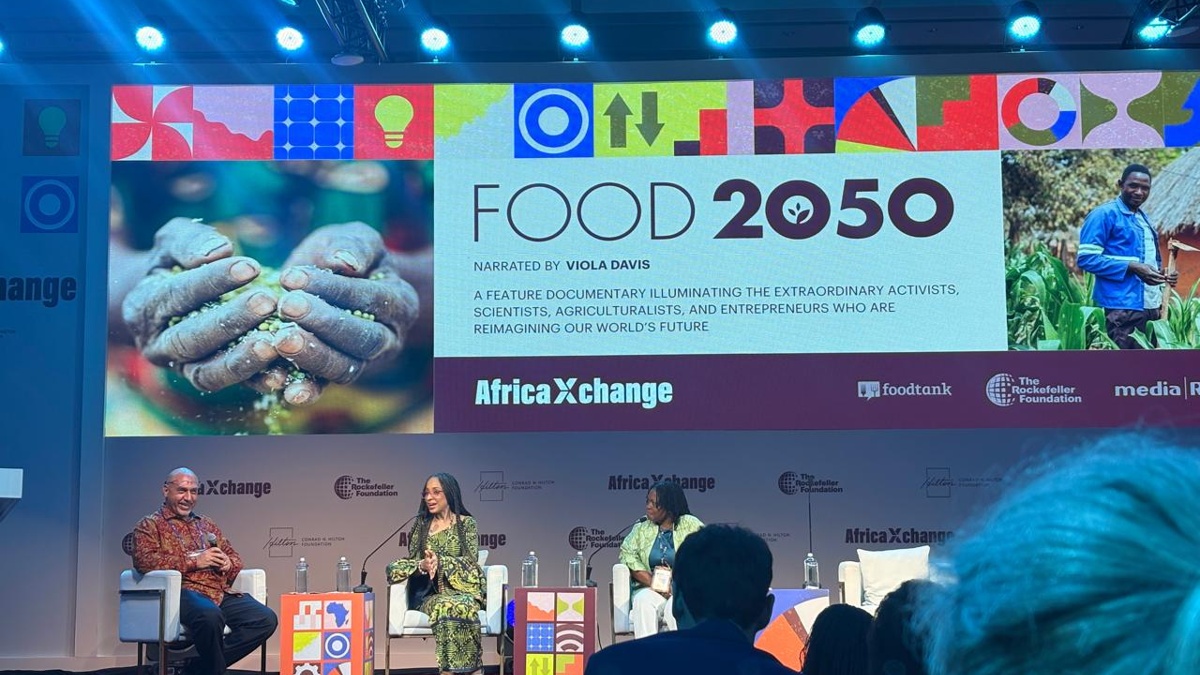
The Food 2050 screening and fireside chat was a highlight. It traced Rockefeller Foundation's food systems vision from a global call that generated over thirteen hundred visions across one hundred and nineteen countries to their current priorities in regenerative agriculture, school meals, and indigenous-led projects like the Sicangu 7 Gen Vision. Watching how community-driven, cross-sector innovation strengthens food sovereignty and nutrition reminded me why this work matters so much.
From Ancient Ingredients to Innovation
One moment that truly stuck with me was the live cooking demonstration by Slow Food Kenya in collaboration with the Slow Food Movement. They were showcasing how traditional, indigenous foods can be prepared in ways that are both delicious and deeply nutritious, ways that have sustained our communities for generations.
The chef prepared a lentil burger. Now, I'd never had a veggie burger before, and I'd wager most people haven't either. There was genuine skepticism in the room beforehand. But watching the process unfold, boiling the lentils, forming the patty, frying it to golden perfection, was mesmerizing. What really impressed me was the approach to sauces. Rather than reaching for store-bought condiments, they blended their own from tomatoes that would otherwise be discarded from markets because they didn't look appealing. These rejected tomatoes became something extraordinary.
When I finally tasted that lentil burger, the skepticism melted away. It was genuinely delicious—tasty, satisfying, and a powerful reminder that innovation doesn't always mean complexity. Sometimes it means returning to what we know works, what our communities have always known, and presenting it in a way that opens people's eyes. That burger was a perfect metaphor for the entire conference: taking traditional wisdom and showing how it can address modern challenges around nutrition, local food systems, and sustainability.
A Word of Thanks
I want to thank William Asiko, senior vice president for the Rockefeller Foundation's African regional office, for his thoughtful moderation throughout the conference. His contributions shaped every discussion we had. And to the master of ceremonies—Mack Maasai- thank you for guiding us through three days with grace and for that closing reminder that change is constant. If we embrace it as an opportunity rather than a threat, we're already halfway there.
To the Rockefeller and Hilton Foundations: thank you for bringing so many of us together on the African continent to learn, share, and sharpen one another. Conferences like this are where real collaboration begins.
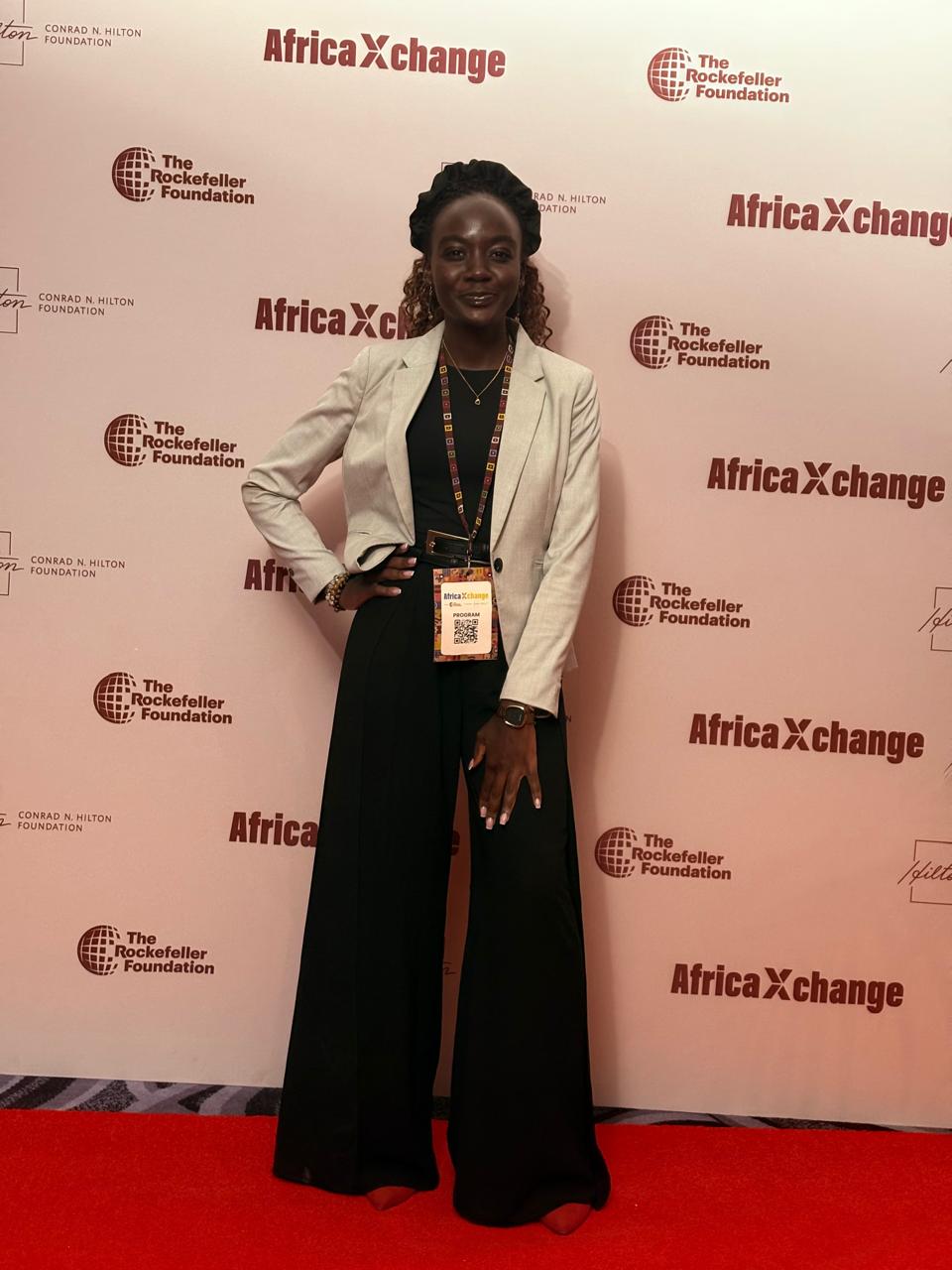
Joan Gekonde, Capacity Building Officer.