
Recently in Nairobi, at Segal Connect 2026, dubbed The Next Beat, the Segal Family Foundation celebrated 20 years of impact and trust-based philanthropy.
The drums began before the stories did.
Rhythm, colour and movement filled the room. It was more than an anniversary celebration. It felt like a living archive of what Africans have imagined, built and sustained when given the trust and resources to lead from where they stand.
Across the showcase, from anglophone to francophone Africa, the evidence was compelling: innovations born in conditions of scarcity, solutions shaped by lived experience, leaders exercising critical thought, and organisations stretching every resource to meet needs that are often far greater than their budgets. There was creativity, but also discipline; ambition, but also prudence.
Most importantly, there was evidence of African agency—not people waiting for solutions, but people creating them.
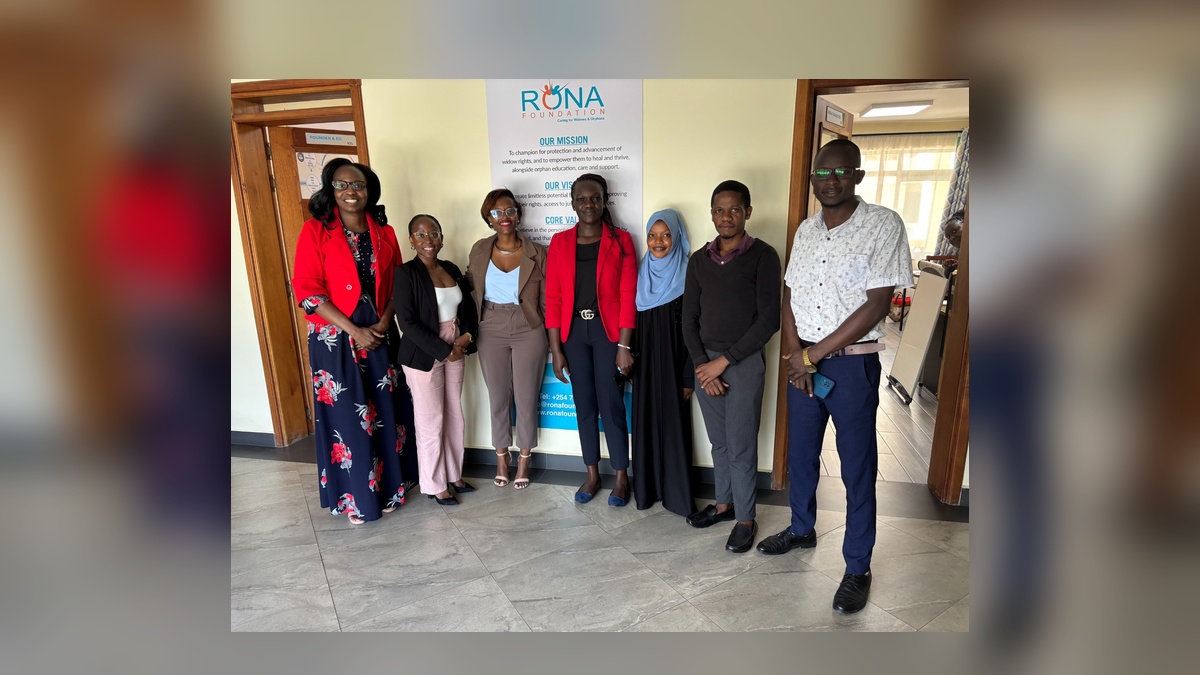
And Rona Foundation, a widow human rights organisation I founded and lead, was privileged to be part of that story.
Now that the dust has settled, and as we, alongside fellow partners and allies, reflect on who we have become and what we have collectively built, I find myself thinking about something less visible: the investment beneath the visible impact.
Because, one of Segal's most thoughtful contributions has been its decision to bring Nonprofit Builder (NPB) into its ecosystem of support. It reflects an important understanding of philanthropy: funding the work is only one part of strengthening social change. The institutions carrying that work also need opportunities to learn, reflect, question themselves and grow.
It was, in my view, an ingenious decision.
For Rona, this has not been a one-off intervention. Through Nonprofit Builder, we have had access to continued organisational learning and capacity strengthening, including modules that have enabled us to examine our leadership, strategy, fundraising, systems and safeguarding.
That continuity matters. So does the opportunity for all staff across the partner organisation to access different modules twice a week throughout the year. This means learning is not held by one person; it can move through the organisation, shaping how we think, work and grow together.
Take the safeguarding module by Shermin Moledina, which we undertake annually. It has encouraged us to look beyond safeguarding as a compliance exercise: another policy, another form, another requirement. Returning to this learning each year invites us to examine power, dignity, accountability and the responsibility we carry towards the people whose lives we touch.
Equally, the fundraising module has greatly helped me look beyond fundraising as the search for money and towards fundraising as a question of organisational clarity. What are we building? Why does it matter? What makes our contribution distinctive? Who might share that vision?
Through Nonprofit Builder, I was matched with Bill Bruty of Fundraising Training Ltd as a mentor, and his mentorship deepened that learning. Those questions have stayed with me.
Together, these learning experiences have reinforced a lesson I have come to value deeply: capacity building is not about making organisations more acceptable to funders. It is about helping them become more capable of carrying their own vision.
And that is a very different proposition.
It means creating spaces where founders, leads and staff can think beyond the next grant. It means making room for difficult questions, peer learning, expert advice and honest reflection. It means recognising that sometimes the most important organisational change happens quietly—a founder changes a decision, a team strengthens a practice, an organisation becomes more confident about what it will and will not do.
These changes rarely have clear indicators, and are unlikely to appear in a grant dashboard.
Yet they often determine whether an organisation survives, adapts and continues to create sustainable and transformative change.
Looking back to that colourful room in Nairobi, I now realise that the impact celebrated had two layers. There was the visible layer: the innovations, programmes, communities reached and systems changed. And beneath it was another layer—the investment in the people and institutions that made some of that impact possible.
For me, that is the deeper lesson of bringing a capacity-building institution like Nonprofit Builder into a funding portfolio: enabling the investment’s impact to go beyond what partners have delivered; it is in strengthening their ability to keep learning, questioning and adapting to what comes next—especially amid changing philanthropy dynamics.
Ultimately, a grant can fund a project for a season, but the capacity to question, learn, adapt and endure is what helps secure a sustainable future. That quiet institutional strength is the impact behind the impact—and perhaps the most important foundation for the Next Beat of African-led social change.
And that is the capacity Nonprofit Builder is helping Segal’s partners build.
Roseline Orwa, a widow champion, and the Founder and Executive Director of the Rona Foundation, a Kenyan widow human rights organization. She tweets @roselineorwa