
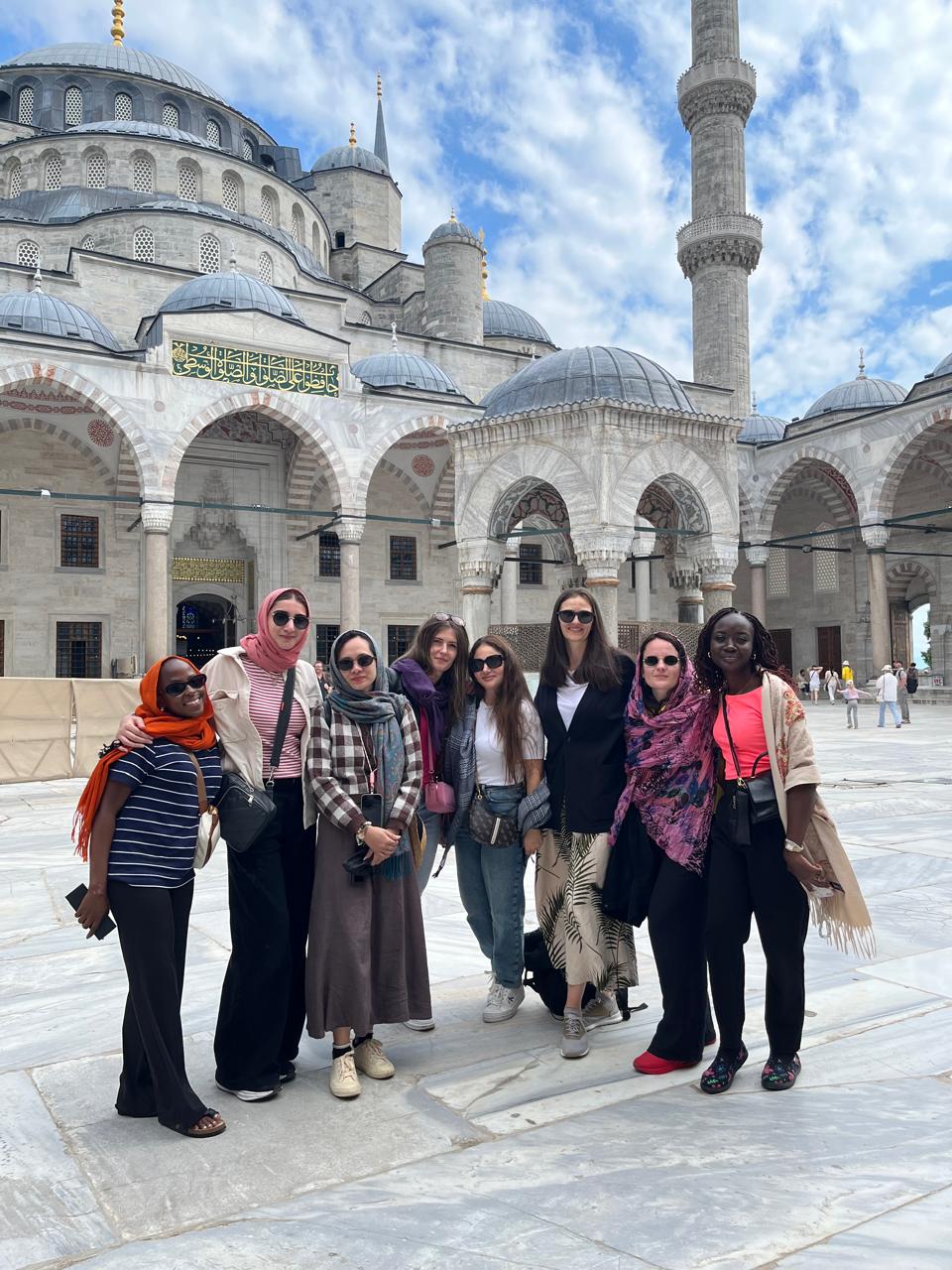
Working in a distributed, multicultural team is one of the most rewarding professional experiences but also one of the most misunderstood. Many assume “remote” is isolating or that “multicultural” is complicated. In reality, with intention, it can be a source of creativity, learning, and genuine human connection.
Having collaborated with teammates across continents, I’ve learned that successful distributed work is less about avoiding differences and more about embracing them. Here’s what I’ve discovered works and what makes the experience so special.
Why Distributed Teams Are Unique
Diverse perspectives drive creativity. Different approaches to problem-solving help catch blind spots and generate better ideas.
Work becomes human again. One of the quiet joys of remote multicultural work is what you learn beyond the task list. You hear stories from people’s hometowns, new year traditions, favorite street foods, rainy-season quirks, or how weddings last three days in one country and thirty minutes in another. You end up Googling dishes you’d never heard of, or asking for recipes during team calls.
This kind of learning makes work feel human again.
Fun and connection thrive—even on Zoom. Many people assume remote teams miss out on fun. But we’ve found the opposite. Playing games like Pictionary over Zoom, guessing childhood photos, or sharing “two truths and a lie,” —these things create real bonds. Distributed does not have to mean distant.
Annual retreats strengthen relationships. An annual in-person retreat feels like a reward for all the virtual collaboration. Spending time together, sharing meals, exploring a city, debating strategy face-to-face creates a strong relational foundation for the rest of the year.
You go back to your distributed setup with renewed trust, clearer alignment, and a sense that your team is not just a list of names and Slack icons, but real humans.
Challenges and Learning
Different work rhythms, communication styles, and expectations exist but none are “wrong.”
What I’ve learned:
Pause before judging; what seems slow may be thoughtful.
Assume positive intent as it transforms collaboration.
Ask rather than guess; open conversations prevent misunderstandings.
Share your norms; people can’t adapt to what isn’t articulated.
Practical Tips for Thriving Distributed Teams
1. Make the obvious explicit. Clarify decisions, deadlines, responsibilities, and communication channels.
2. Build awareness into routines. Rotate meeting chairs, share work preferences, or have short spotlight moments to understand each other’s approaches.
3. Prioritize psychological safety. Encourage questions and honest communication, asking for clarity should be seen as competence, not weakness.
4. Keep work joyful. Use Zoom games, collaborative playlists, virtual coffee chats, and small rituals to lighten the load and strengthen bonds.
5. Use retreats strategically. Plan for alignment, goal-setting, and relationship-building that can’t happen virtually.
6. Celebrate differences. Recognize milestones, personal wins, and even food traditions, it strengthens connection and fosters inclusion.
7. Build shared rituals. Inside jokes, recurring games, or team traditions turn a group of people into a community.
Reflections
Distributed multicultural teams teach patience, empathy, and adaptability. They expand your perspective and reveal parts of yourself you might not otherwise notice. With intention, clarity, humor, and connection, these teams don’t just function, they thrive.
They remind us that work can be global and human at the same time. Difference is a strength, and connection doesn’t require proximity—just openness.