The Context: The Relationship Master and the Capacity Gap
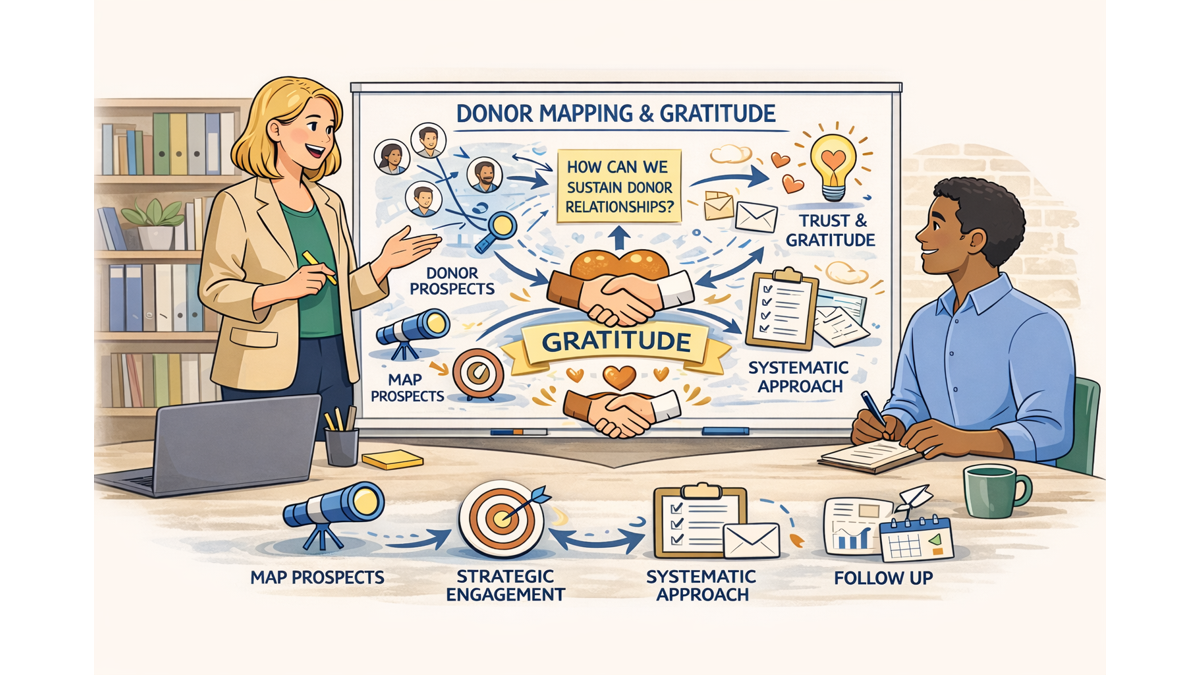
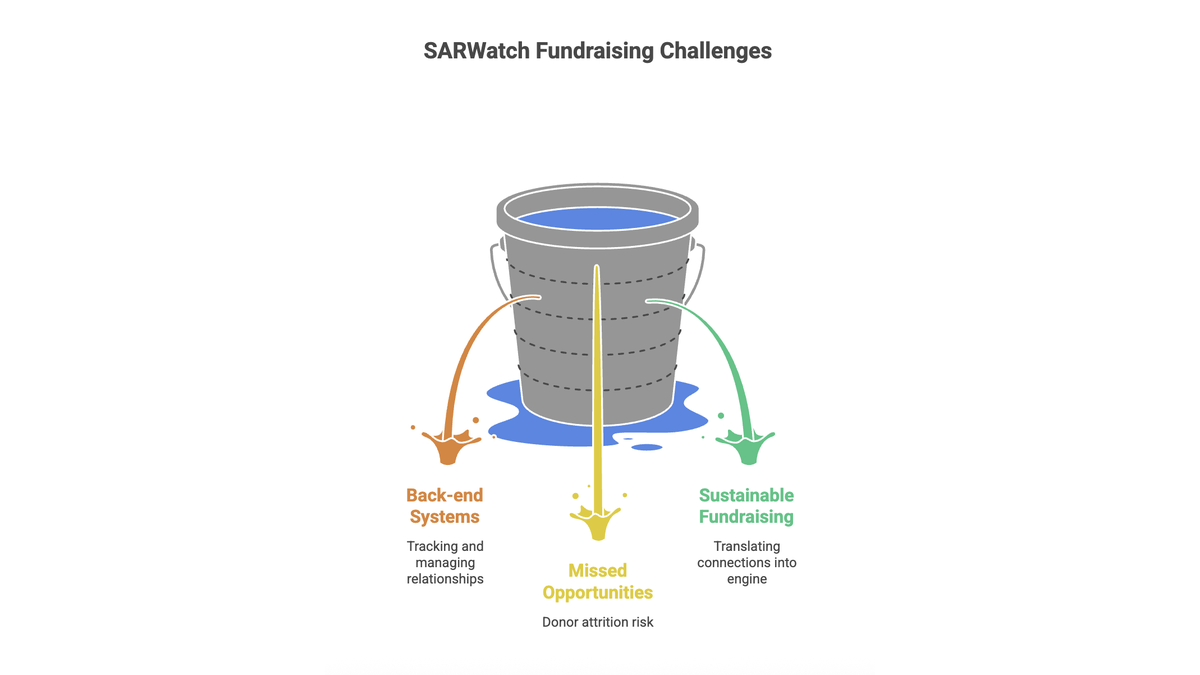
Southern Africa Resource Watch (SARW) is a leading voice in ensuring that Africa’s natural resources benefit the public good. At its helm is Claude Kabemba, a natural leader and a master at building relationships. While Claude excels at connecting with donors on a personal level, a systematic approach to coordinate all fundraising activities, map new prospects, or consistently nurture existing relationships was lacking.
This made for a gap between initial donor interest and sustained, strategic engagement. The back-end systems for tracking and managing donor relationships were not yet in place, creating a risk of missed opportunities and donor attrition. One of the core questions were: how could SARWatch translate its strong personal connections into a sustainable fundraising Engine?
The Work: Fundraising Coaching for a Donor-Centric Mindset
From November 2024 to June 2025, fundraising coach Helen Vosloo from Funding Solutions engaged with Claude in a comprehensive coaching partnership. The work was twofold: one-on-one strategic sessions with Claude and practical donor mapping support for an interm.
The approach was not about reinventing the wheel, but about sharpening the tools Claude already possessed.
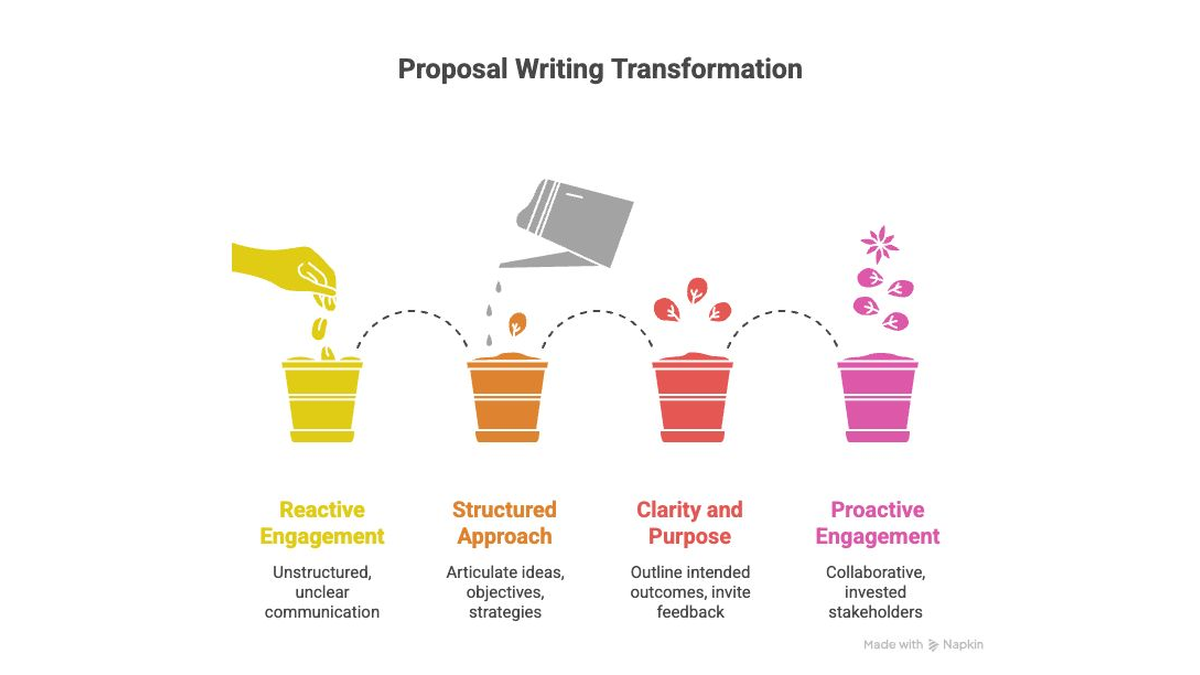
The coaching focused on instilling a deeply donor-centric approach across all fundraising activities. This involved a systematic process for relationship building, moving from reactive proposal writing to proactive, meaningful engagement. One key element (for the purpose of this case study) centred around the role of gratitude in relationship building.
The Outcome: A Foundational Shift in Thinking
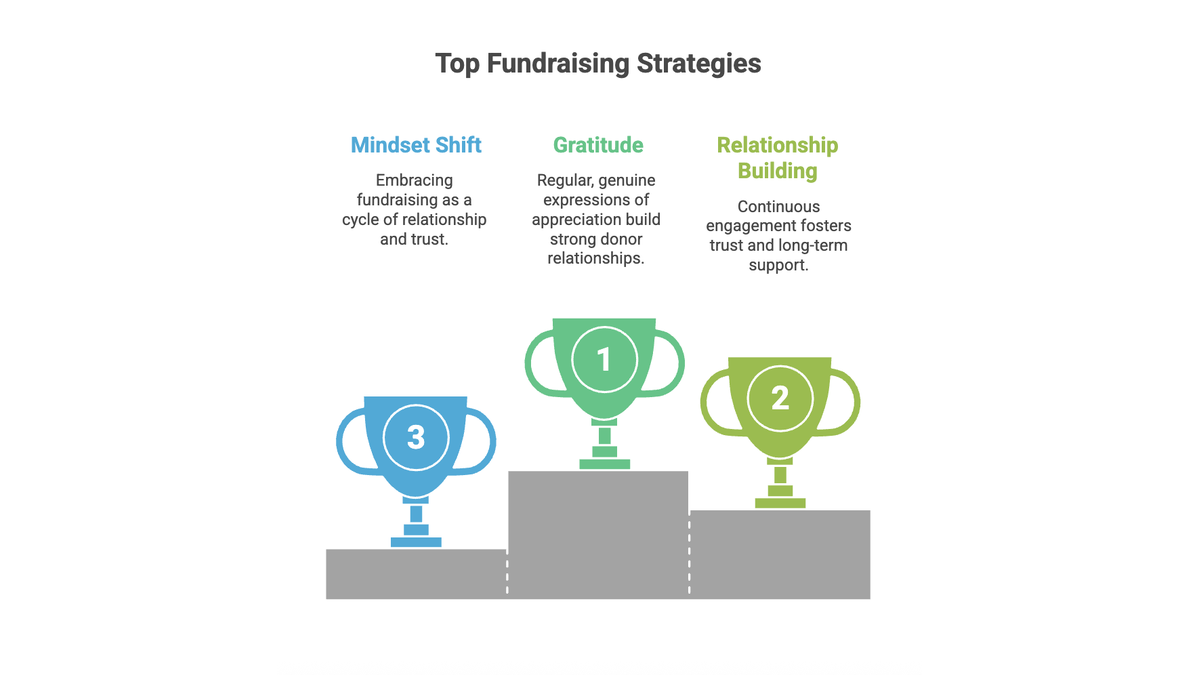
The most significant outcome was not a new system, but a shift in mindset for Claude. He embraced the idea that fundraising is a continuous cycle of relationship and trust-building. The coaching provided a space for him to reflect on this and formalise this as a core part of his leadership.
As Claude shared in a recent conversation, the single biggest takeaway was the power of gratitude. He began scheduling regular, bi-monthly check-ins with his donors with no other agenda than to express to share a brief update in a spirit of gratitude. Now to be clear:
Claude is naturally a people’s person. He has extraordinary people skills. Yet, he reported that this simple mindset of appreciation fundamentally changed the dynamic of his donor relationships.
“Previously, I didn’t used to stay in touch with our donors as much. Now, it’s scheduled into my diary. The biggest takeaway of the fundraising coaching was that I learnt the importance of gratitude.” Claude Kabemba
The Lasting Impact: An Unexpected Windfall
Months after the formal coaching engagement ended, the impact of Claude’s new approach became stunningly clear, when a long-term institutional donor, who had a multi-year grant agreement with SARW, reached out to Claude unexpectedly with an offer of an additional, unsolicited $300,000. Their message was simple: “I’ve got a spare $300,000, can I help you spend it?” For Claude, this was a true “a-ha moment” The donor, feeling seen and appreciated not just for their money but for their partnership, was actively looking for ways to deepen their support.
The outcome demonstrates that which we at Funding Solutions know to be true. People give to people. The consistent, authentic honouring of a relationship is what underscores good fundraising practice. Much more so than a relationship based on delivering against set expectations. Neuroscience research supports this; expressing and receiving gratitude activates brain regions associated with social bonding and reward, making people more likely to engage in generous, prosocial behaviour. The return on investment was not just financial; it was a validation that building trust is the most effective fundraising strategy of all.
A Reflection on the Work
What surprised me most about this engagement was the speed and scale of the impact that came from such a simple shift. We often believe that fundraising success requires complex strategies and intricate systems. But Claude’s story is a powerful reminder that the most profound changes often come from the most human places. He didn’t need to become a different leader; he needed a framework to amplify his natural strengths.
This engagement taught me that coaching is often about holding up a mirror and helping a leaders see the powerful tools they already possess.
References
[1] Bartlett, M. Y., & DeSteno, D. (2006). Gratitude and prosocial behavior: Helping when it costs you. Psychological Science, 17(4), 319-325.